
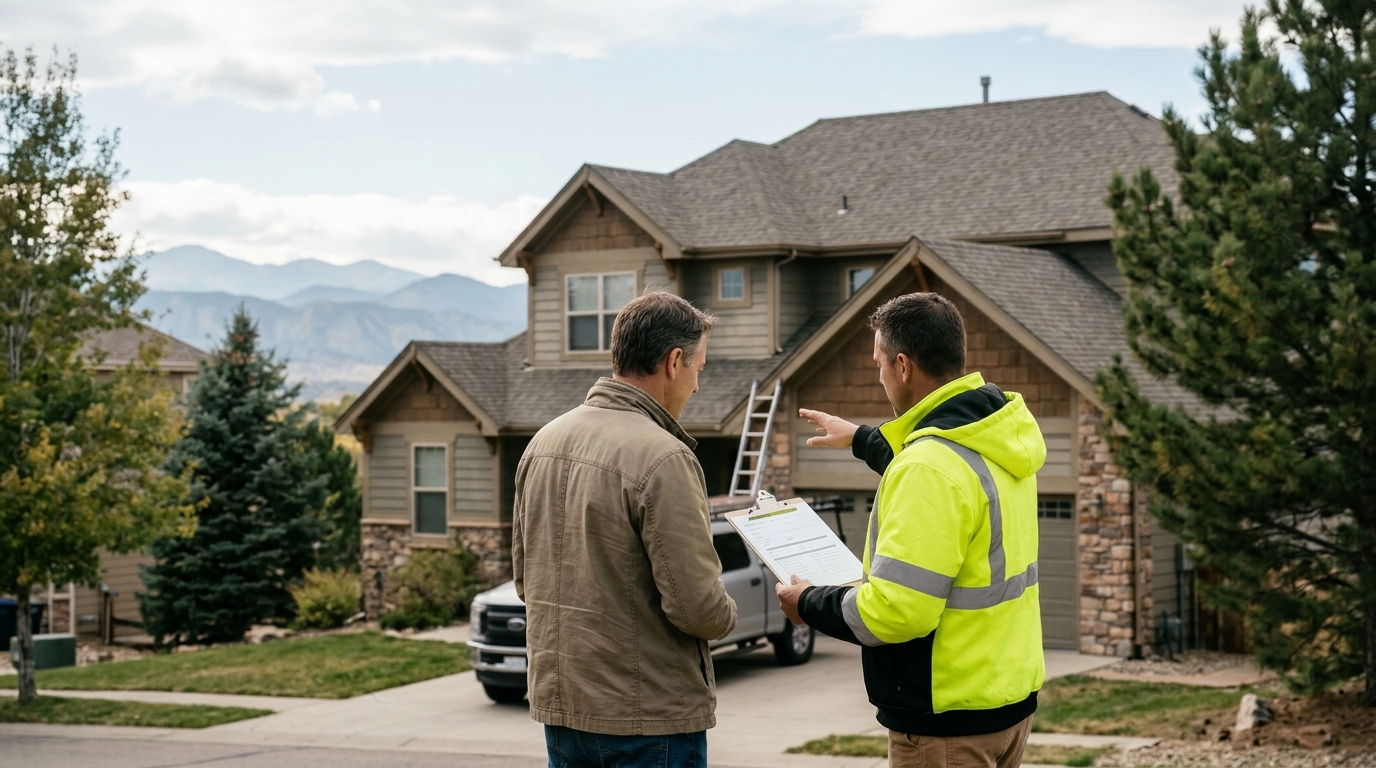
Check a Denver roofing contractor's license by searching the Colorado Department of Regulatory Agencies (DORA) database. Verify the license status, expiration date, and any disciplinary actions. Confirm the contractor carries general liability and workers' compensation insurance. This process protects your home and ensures legal compliance before signing a contract.
Why License Verification Matters in Colorado
Colorado requires specific licensing for construction trades. A roofing contractor license is a state-issued credential that proves the holder has met education, experience, and financial responsibility standards. Hiring an unlicensed contractor can leave you liable for code violations and without recourse if the work fails. The state maintains a public registry to ensure transparency and consumer protection.
Denver homes face unique weather challenges, including hail and wind. Properly licensed contractors are trained in local building codes and safety standards. This expertise is critical for durable repairs. You should never rely solely on word-of-mouth recommendations without verifying official credentials.
Step-by-Step License Verification Process
Start by visiting the Colorado DORA website. Navigate to the contractor license lookup tool. Enter the contractor's full legal name or license number. The system will display the license type, status, and expiration date. Ensure the license is active and matches the scope of work you are hiring for.
Next, check for any disciplinary history. The database lists complaints, fines, or suspensions. A clean record indicates a reliable professional. If the license is expired or suspended, do not proceed. You can also verify the business entity name to ensure you are contracting with the correct legal entity.
Insurance and Bonding Requirements
Licensing is only one part of due diligence. You must verify insurance coverage. General liability insurance is a policy that covers property damage or bodily injury caused by the contractor's work. Workers' compensation insurance is a mandatory coverage for employees that pays for medical costs and lost wages if they are injured on your property. Ask for certificates of insurance directly from the contractor.
Confirm the policy limits are adequate for your project size. For larger roofing jobs, higher limits are necessary. You can verify these policies through the insurance provider or a third-party verification service. This step protects you from personal liability for on-site accidents.
Red Flags to Watch For
Be cautious of contractors who refuse to provide license numbers. Legitimate professionals are transparent about their credentials. Avoid those who demand large upfront cash payments without a detailed written contract. A proper contract outlines the scope of work, payment schedule, and warranty terms. Vague estimates or pressure tactics are warning signs of potential fraud.
Check for a physical business address in Colorado. Many unlicensed operators use PO boxes or out-of-state addresses. A local presence makes it easier to hold the contractor accountable. If the contractor cannot provide a verifiable local address, look elsewhere.

How Residential Property Contractors, LLC Handles Compliance
Residential Property Contractors, LLC is a fully licensed and insured construction company in Denver. We prioritize transparency by providing our license details and insurance certificates upon request. Our team is organized to make complex projects feel straightforward, ensuring all work meets state and local codes. We focus on protecting, improving, and expanding the places people live and work with confidence.
Our approach includes clear scopes of work and accurate documentation. This ensures you understand exactly what is being done and why. We handle the administrative burden of compliance so you can focus on your home. For more on our commitment to quality, visit our About Us page.
Key Takeaways
- Always verify the license status in the Colorado DORA database.
- Confirm the license type matches the specific roofing work required.
- Request certificates of general liability and workers' compensation insurance.
- Check for disciplinary actions or complaints in the state registry.
- Ensure the contractor has a verifiable local business address.
- Insist on a detailed written contract before any work begins.
Frequently Asked Questions
Is a roofing license required in Denver?
Yes, Colorado requires contractors performing roofing work to hold a valid state license. This ensures they meet specific training and financial responsibility standards. You can verify this status through the DORA online portal.
How do I check a contractor's insurance?
Ask the contractor for a certificate of insurance. You can then call the insurance provider listed on the certificate to verify the policy is active and covers the required limits. This step is crucial for protecting your property.
What if the license is expired?
Do not hire a contractor with an expired license. An expired license means they are not legally authorized to perform the work. Look for a contractor with an active, current license to ensure legal compliance.
Can I sue an unlicensed contractor?
Legal recourse against unlicensed contractors is limited and complex. It is much safer to verify credentials before signing any agreement. Proper licensing provides a clear path for dispute resolution if issues arise.
Where can I find a licensed contractor in Denver?
You can search the DORA database for licensed professionals. Residential Property Contractors, LLC is a licensed option in Denver. You can learn more about our services on our Services page.
Next Steps for Your Project
Take the time to verify credentials before hiring. This simple step saves you from potential legal and financial headaches. If you are ready to start your roofing project, contact our team for a free estimate. We are here to help you build, repair, and remodel with confidence.