

Submitting a hail damage claim in Denver requires precise documentation to ensure a fair and timely payout. Residential Property Contractors, LLC helps homeowners navigate this process by providing the detailed records insurers expect. Having the right files ready reduces back-and-forth communication and prevents delays in your restoration timeline.
1. The Original Insurance Policy
Your policy defines the scope of coverage and deductibles. Insurers review this document to determine what is covered under your specific plan. It outlines the limits for roof, siding, and interior damage. Keep a digital copy accessible for quick reference during the initial claim filing.
2. High-Resolution Photographs of Damage
Visual evidence must capture the extent of the impact clearly. Take photos from multiple angles, including wide shots of the roof and close-ups of dented metal or cracked shingles. Include a timestamp on every image to prove the date of the event. These images form the visual backbone of your claim file.
3. A Detailed Damage Inventory
A written list of affected areas helps organize the claim. Document every room or exterior section showing signs of hail impact. Note specific items like gutters, skylights, or siding panels. This inventory ensures no minor damage is overlooked during the adjuster's inspection.
4. Weather Reports and Hail Maps
Official weather data confirms the event occurred on your property. Local meteorological records can verify hail size and trajectory for your specific address. This objective data supports your claim if the adjuster questions the cause of damage. It is a critical piece of evidence for establishing liability.
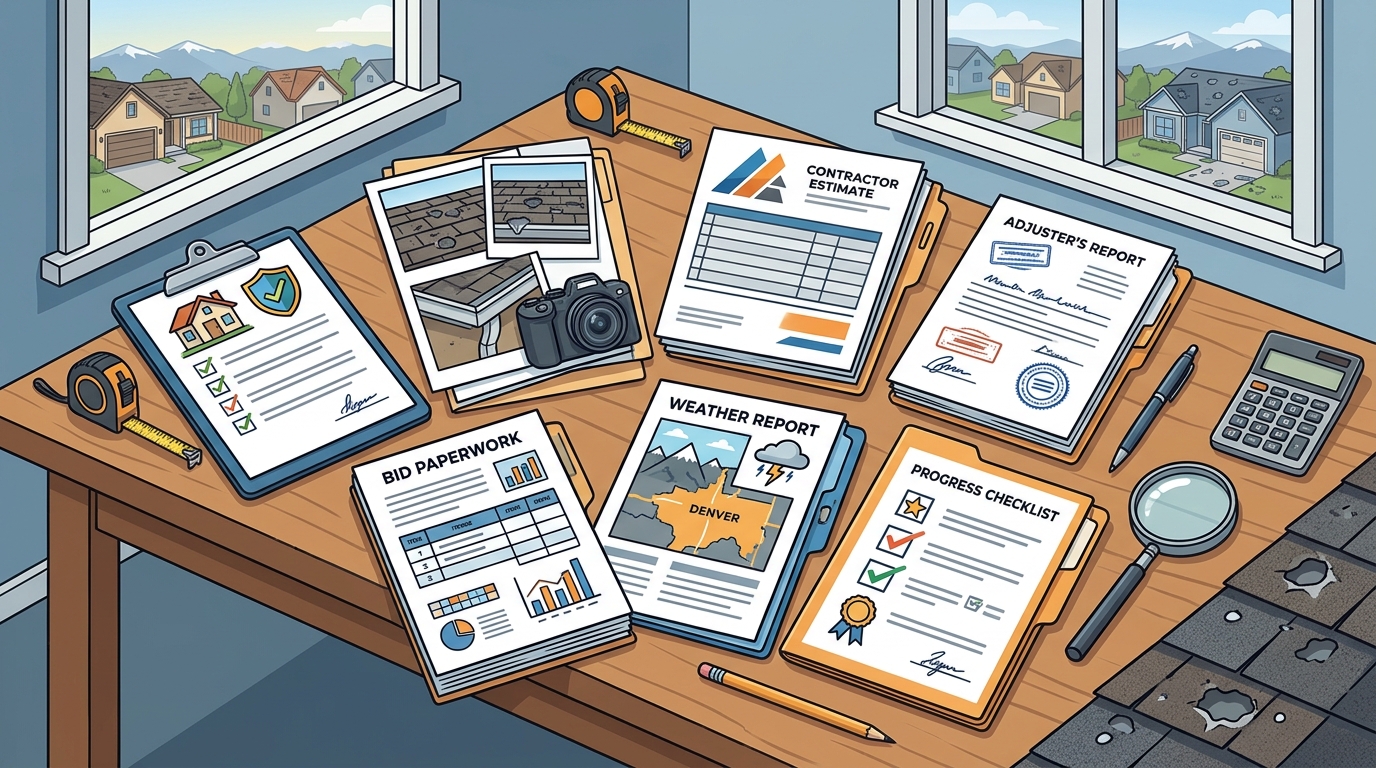
5. Professional Inspection Report
A licensed contractor's assessment provides technical credibility. Residential Property Contractors, LLC offers thorough inspections that document visible and concealed damage. This report connects the physical harm to the necessary repair steps. It helps bridge the gap between homeowner observations and insurer requirements.
6. Repair Estimates and Material Specifications
Itemized quotes clarify the cost of restoration. Provide detailed estimates that break down labor, materials, and disposal fees. Specify the types of shingles, siding, or flashing required for the repair. Clear pricing helps the adjuster approve a realistic budget for the project.
7. Communication Logs with the Insurer
Keeping a record of all interactions protects your interests. Save emails, notes from phone calls, and letters from your insurance company. Note the date, time, and name of the representative you spoke with. This log creates a transparent trail of the claim's progress and any promises made.
Choosing the Right Documentation Strategy
Select documents that match the severity of the damage. For minor issues, photos and a basic inventory may suffice. For extensive hail damage, a professional inspection report and detailed estimates are essential. Exterior services experts can help identify which documentation is most critical for your specific situation.
Frequently Asked Questions
How many photos should I take for a hail claim?
There is no strict limit, but you should capture every affected area. Aim for at least 20 to 30 high-quality images. Include wide shots for context and close-ups for detail. Ensure the images are clear and well-lit to avoid rejection by the adjuster.
Do I need a contractor to file the claim?
You can file the claim yourself, but a contractor's report strengthens it. A professional inspection provides technical details that homeowners might miss. It also helps ensure the estimate covers all necessary repairs. General remodeling professionals can assist with this documentation.
What if the adjuster denies my claim?
Review the denial letter for specific reasons. You have the right to appeal the decision. Provide additional evidence, such as a second opinion from a contractor. Insurance claims support can help you navigate the appeal process effectively.
How long should I keep these documents?
Keep all claim documents for at least three to five years. This period covers potential disputes or future reference needs. Store digital copies in a secure cloud folder. Physical copies should be kept in a safe, dry location.
Does the age of my roof matter for the claim?
Yes, roof age affects the payout calculation. Insurers may depreciate the value of older materials. A professional inspection can help document the condition of the roof. This ensures you receive a fair assessment of the replacement cost.
Can I use my own photos or do I need a pro?
Your own photos are a good start, but professional photos are often more detailed. A contractor knows what to look for and how to frame the damage. They can capture hidden issues that might be missed by a homeowner. This thoroughness can significantly impact the claim outcome.
Next Steps for Denver Homeowners
Start by gathering your policy and taking initial photos. Then, schedule a professional inspection to document the full extent of the damage. To plan your visit, contact our team to begin your assessment and ensure your claim is supported by accurate, comprehensive documentation.