
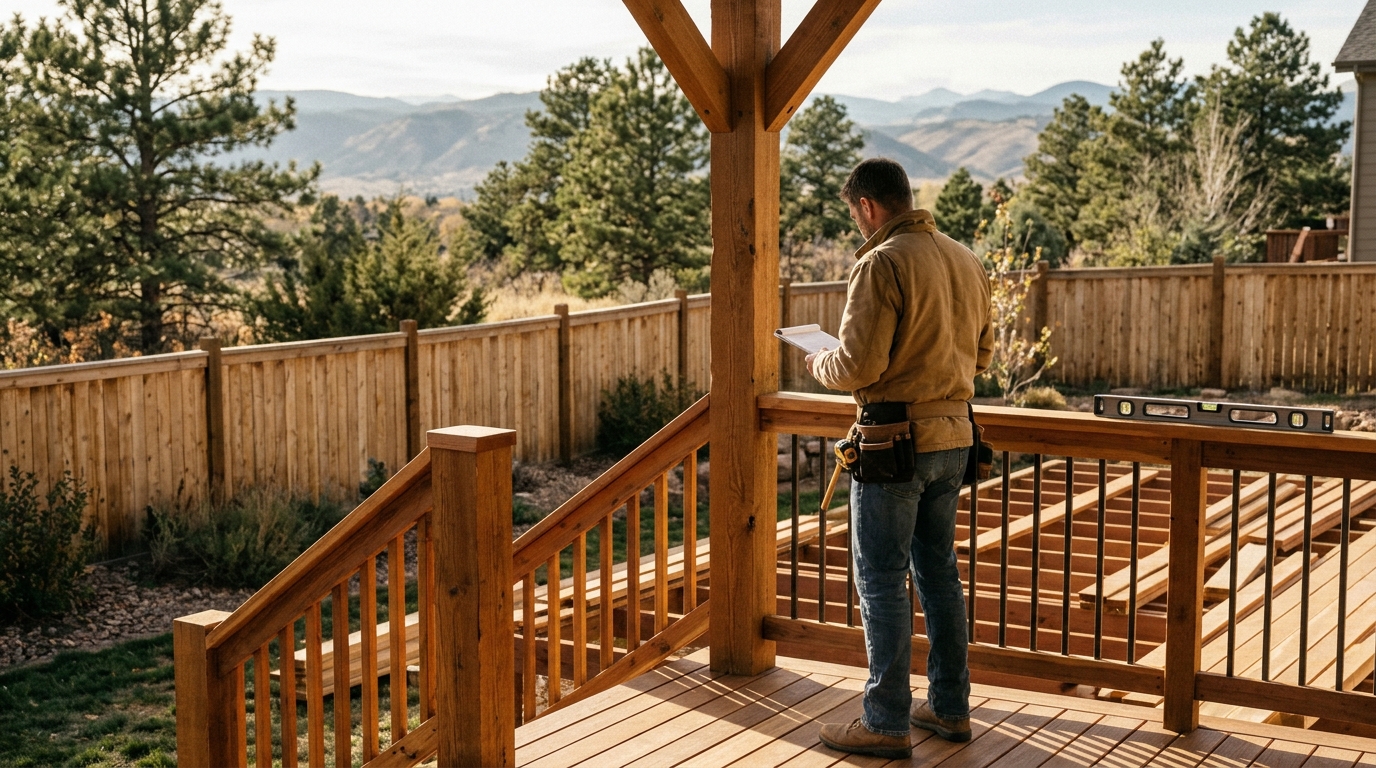
Choosing the right builder for outdoor structures requires more than comparing price quotes. Denver's variable climate and strict building codes demand a contractor who understands local material performance and regulatory compliance. Residential Property Contractors, LLC emphasizes that verifying a company's operational rigor protects your investment and ensures safety. This guide outlines seven essential checks to validate a contractor's capability before signing a contract.
1. Verify Local Licensing and Insurance Status
Confirm active Colorado contractor licensing and comprehensive liability coverage. A valid license ensures the company meets state regulatory standards for construction work. Insurance protects you from liability if an accident occurs on your property. Ask for a current Certificate of Insurance that names you as an additional insured party.
2. Review Denver-Specific Code Compliance Experience
Ensure the team understands local zoning and structural requirements. Denver has specific rules regarding setback distances, height limits, and structural load capacities. A knowledgeable contractor will explain how their design meets these local codes. They should also handle the necessary permit applications on your behalf.
3. Evaluate Material Selection for Local Climate
Check if they recommend materials suited for high-altitude weather. Denver experiences intense UV exposure, rapid temperature swings, and dry conditions. The contractor should explain why specific wood species or composite materials perform well in this environment. They should also discuss how these choices affect long-term maintenance needs.
4. Inspect the Scope of Work Detail
Require a written scope that lists every task and material. A vague quote often leads to change orders and budget overruns. The document should specify material brands, grades, and quantities. It must also outline the sequence of work, from site preparation to final finishing.
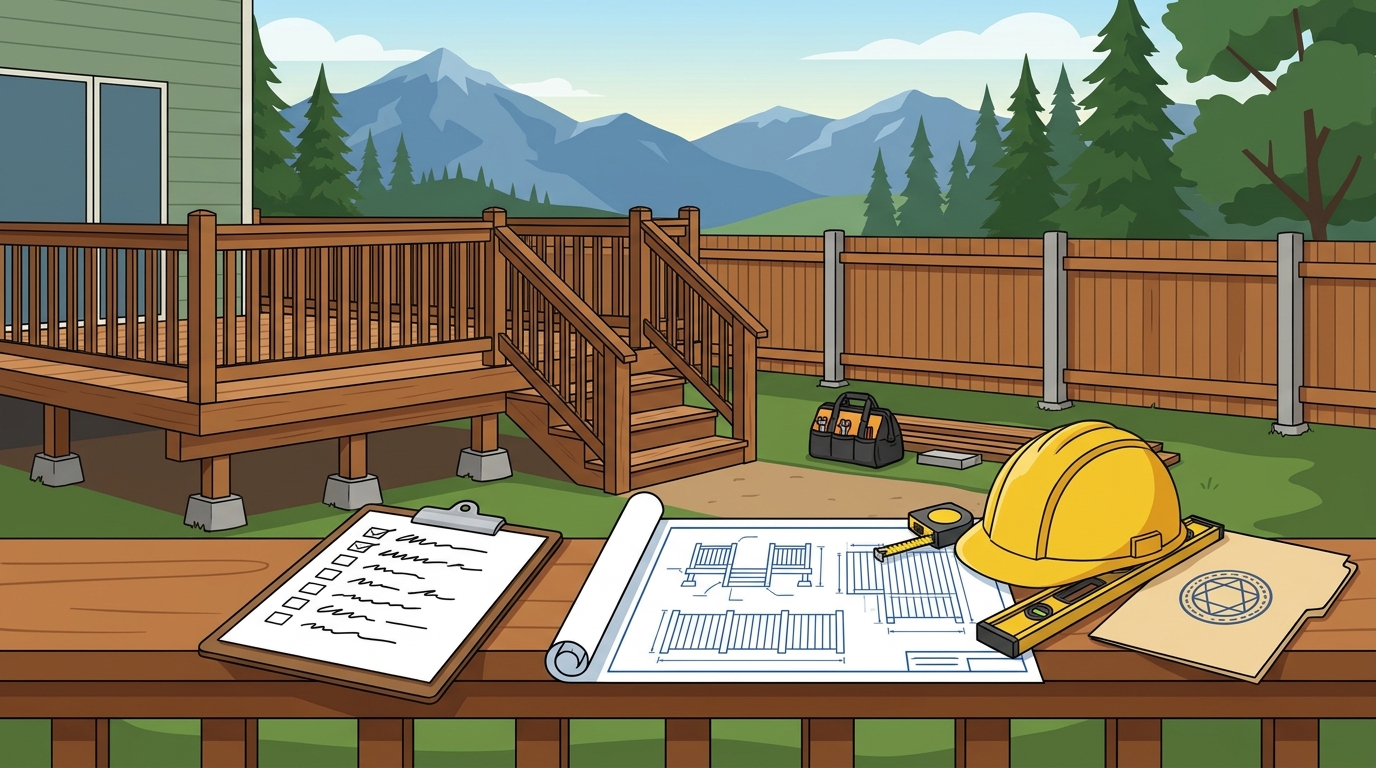
5. Assess Project Management and Communication
Confirm a clear point of contact and reporting schedule. Effective communication prevents delays and misunderstandings. Ask who will be on-site daily and how they report progress. A professional team provides regular updates and responds promptly to questions.
6. Check References and Local Portfolio
Review recent projects in the Denver metro area. Local examples demonstrate familiarity with neighborhood aesthetics and site conditions. Contact past clients to ask about timeline adherence and workmanship quality. Look for consistency in finish details and structural integrity.
7. Understand Warranty and Post-Completion Support
Clarify what is covered under the workmanship warranty. A strong warranty covers structural defects and installation errors for a defined period. Ask about the process for addressing issues that arise after completion. This step ensures you have recourse if problems develop later.
Choosing the Right Contractor
Select a company that demonstrates transparency in all seven areas. Prioritize firms that provide detailed documentation and clear communication over those offering the lowest bid. Residential Property Contractors, LLC applies these standards to every project, ensuring clients receive reliable guidance and quality execution. To begin your evaluation, contact our team for a professional assessment.
Frequently Asked Questions
Do I need a permit for a deck or fence in Denver?
Yes, most structural decks and fences over a certain height require permits in Denver. The contractor should handle the application process and ensure the design meets local zoning and building codes. This step is crucial for safety and future property sales.
How much should I budget for a deck or fence in Denver?
Costs vary based on materials, size, and complexity. Composite materials typically cost more upfront but require less maintenance than wood. A detailed quote from a local contractor will provide the most accurate estimate for your specific project.
What is the best material for a Denver deck?
Composite decking and pressure-treated wood are popular choices for Denver's climate. Composite offers low maintenance and resistance to rot, while treated wood is a cost-effective option. The best choice depends on your budget and maintenance preferences.
How long does a deck or fence installation take?
Most residential projects take one to three weeks, depending on size and weather conditions. A clear timeline should be included in your contract. Delays can occur due to material availability or unexpected site conditions.
What should I do if the contractor is not licensed?
Do not hire an unlicensed contractor. Verify their license status with the Colorado Department of Regulatory Agencies. Working with an unlicensed builder can void your insurance and leave you liable for code violations.
Does Residential Property Contractors, LLC handle permits?
Yes, we manage the permitting process as part of our project coordination. We ensure all designs comply with local regulations and handle inspections to keep your project on schedule. This service reduces stress and ensures legal compliance.