
7 Steps to Choose a Sprickler System Installer in Denver
Choosing the right professional for your home's irrigation requires more than a quick price check. Denver's unique climate, with its dry air and variable soil conditions, demands specific expertise in water management and landscape design. Residential Property Contractors, LLC brings a construction-focused perspective to these projects, ensuring that your irrigation system integrates seamlessly with your home's exterior and structural needs. This guide outlines the critical steps to evaluate and select a qualified installer for your property.
1. Verify Local Licensing and Insurance
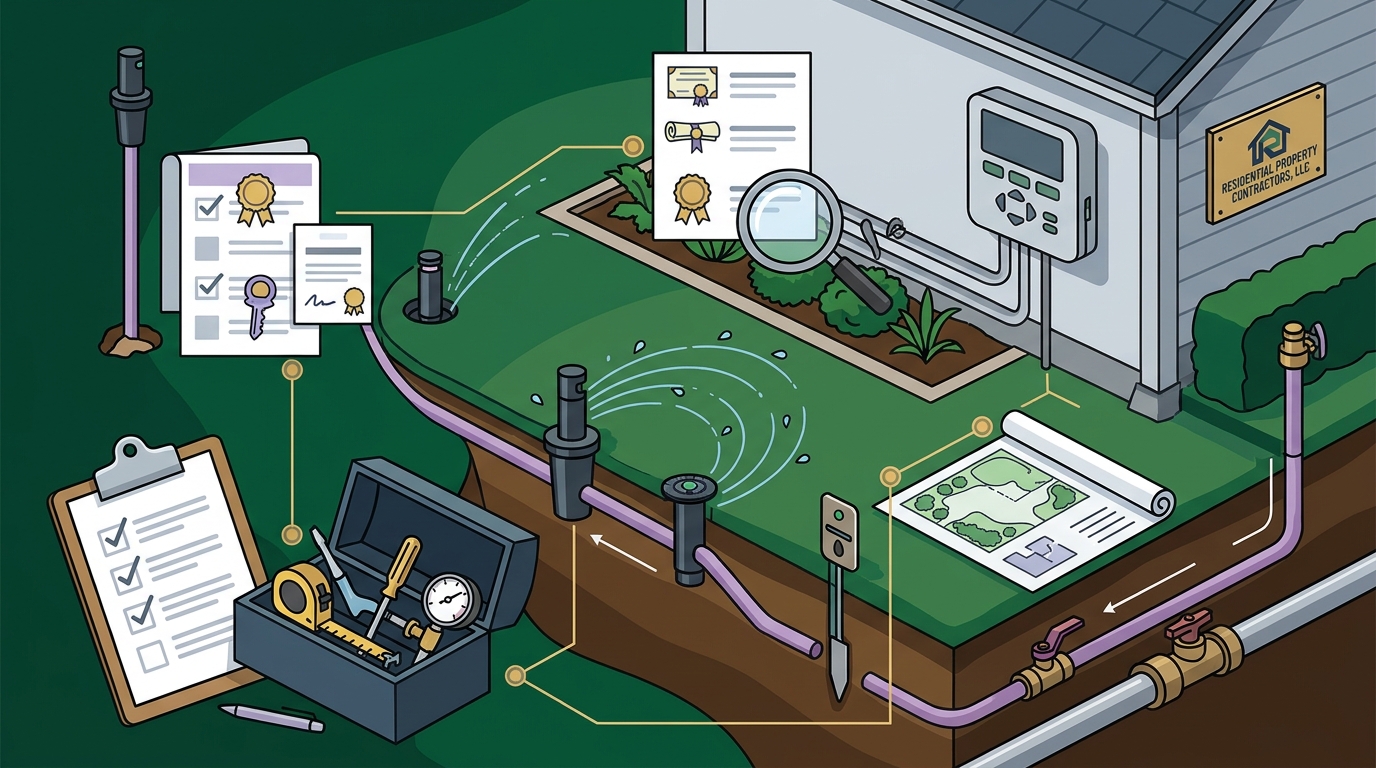
Confirm the installer holds valid Colorado contractor licenses and adequate liability coverage. Licensing ensures the professional meets state standards for construction and trade work. Insurance protects you from potential damages to your property or injuries on-site. Always request a copy of their Certificate of Insurance before signing any agreement.
2. Assess Experience with Denver Soil and Climate
Look for a track record of working with Denver's specific soil types and water restrictions. Denver soils vary significantly from clay-heavy areas to sandy zones, affecting drainage and root growth. A knowledgeable installer understands how to design systems that account for these variables. They should also be familiar with local water conservation mandates and seasonal usage rules. according to Sprinkler Systems near
3. Request a Detailed Site Assessment
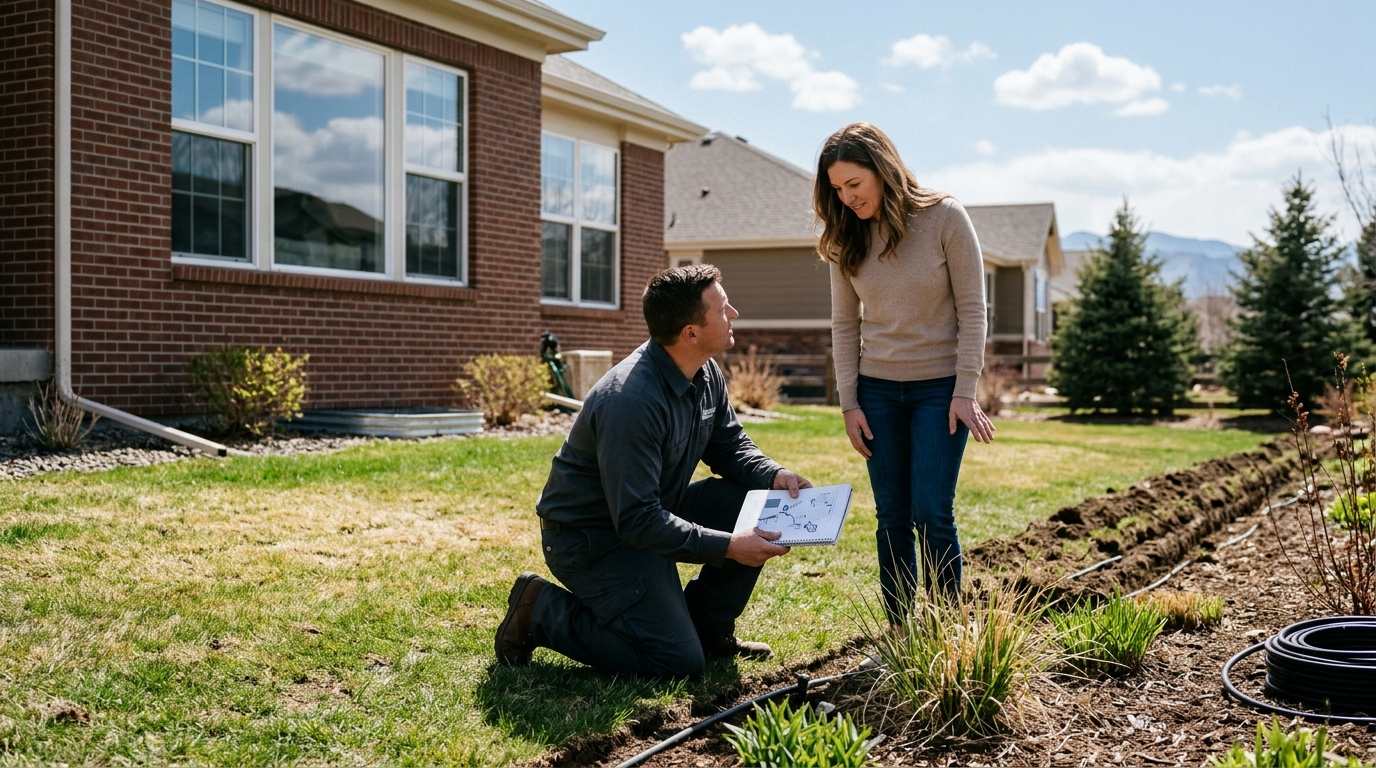
Ensure the installer performs a thorough on-site evaluation before providing a quote. A professional assessment includes measuring zones, checking existing water pressure, and identifying drainage issues. This step prevents underestimating the complexity of the job. It also helps in designing a system that balances water distribution effectively across your landscape.
4. Review Past Projects and Client References
5. Evaluate the Scope of Work and Timeline
Ensure the proposal clearly defines what is included and the expected duration. A detailed scope of work lists materials, labor, and any additional services like backflow prevention or smart controller installation. A realistic timeline accounts for weather conditions and material availability. Vague proposals often lead to change orders and budget overruns later in the project.
6. Check for Integration with Exterior and Structural Work
Consider how the irrigation system interacts with your home's exterior and foundation. Proper grading and drainage are critical to prevent water from pooling near the foundation. An installer with construction experience understands how to coordinate irrigation with exterior finishes and landscaping. This holistic approach ensures long-term durability and prevents moisture-related issues.
7. Compare Warranties and Post-Installation Support
Review the warranty terms for both equipment and labor. A strong warranty covers defects in materials and workmanship for a reasonable period. Post-installation support, such as seasonal startup and winterization services, adds significant value. Clarify what is included in the warranty and what requires a separate service contract.
Choosing the Right Fit
Select the installer who combines local expertise with a clear, detailed proposal and strong references. Prioritize communication and transparency over the lowest bid. A well-chosen partner will ensure your irrigation system performs efficiently and protects your property for years to come.
Frequently Asked Questions
How much does sprinkler system installation cost in Denver?
Costs vary based on the size of the landscape, soil conditions, and the complexity of the design. It is best to obtain multiple detailed quotes to compare pricing and scope of work.
Do I need a permit for sprinkler installation in Denver?
Permit requirements depend on the specific project and local regulations. A licensed installer will typically handle the necessary permits and inspections to ensure compliance.
Can an existing sprinkler system be repaired instead of replaced?
Many systems can be repaired, especially if the main lines are intact. An assessment will determine if repairs are cost-effective or if a full replacement is a better long-term investment.
How long does installation usually take?
Most residential installations take between one and three days, depending on the size of the property and weather conditions. Complex projects may require additional time for grading and drainage adjustments.
What is the difference between drip irrigation and sprinklers?
Drip irrigation delivers water directly to the root zone, reducing evaporation and water waste. Sprinklers are better for larger lawn areas. A hybrid system is often the most efficient solution for Denver homes.
Next Steps
Ready to improve your home's water efficiency and landscape health? Contact Residential Property Contractors, LLC to discuss your irrigation needs and get a professional assessment.