

Managing an insurance claim after property damage is often stressful and confusing. When a contractor bills your insurance company directly, they handle the administrative burden of submitting estimates and tracking approvals. This approach streamlines the restoration process and reduces the risk of payment disputes between you, the insurer, and the builder. Residential Property Contractors, LLC in Denver specializes in this direct billing model to ensure your project moves forward without unnecessary delays.
1. Reduced Administrative Burden
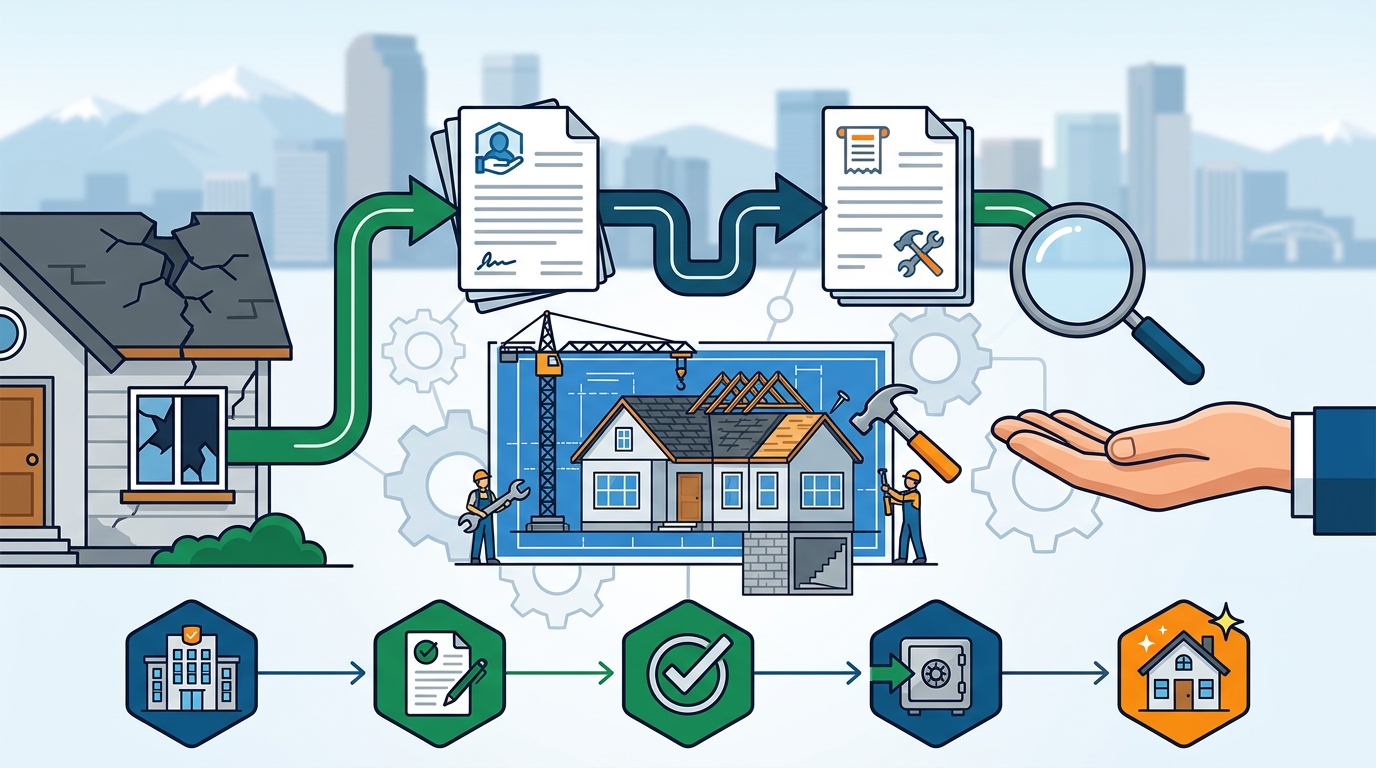
You avoid the hassle of managing complex claim paperwork and communication loops. Direct billing means the contractor acts as the primary point of contact for the insurance adjuster. They prepare the detailed scope of work and submit the estimate directly to the carrier. This removes the need for you to translate technical construction details into insurance language or chase down status updates.
2. Accurate Scope Documentation
Professional documentation ensures the estimate reflects the true cost of repairs. A contractor who bills directly is motivated to provide a thorough and accurate scope of work. They include necessary line items for materials, labor, and code compliance that might be missed in a casual estimate. This precision helps prevent underestimation, which can lead to project stoppages later.
3. Faster Approval Turnaround
Streamlined communication between the contractor and adjuster speeds up the approval process. When the contractor submits the claim, they can answer the adjuster's technical questions immediately. This direct line of communication reduces the back-and-forth that often occurs when the homeowner is the intermediary. Faster approvals mean the project can start sooner, minimizing the time your home is in a damaged state.
4. Clearer Cost Transparency
You gain a clear understanding of what is covered and what is not. Direct billing contractors explain the difference between the insurance payout and the total project cost. They clarify your deductible and any out-of-pocket expenses before work begins. This transparency helps you budget effectively and avoids surprise bills at the end of the project.
5. Professional Adjuster Relations
Experienced contractors know how to navigate insurance company requirements. Insurance adjusters have specific protocols for approving claims. A contractor familiar with these processes can present evidence in the format the carrier expects. This professionalism helps build a cooperative relationship with the adjuster, which can be beneficial if questions arise during the restoration.
6. Reduced Risk of Payment Disputes
Direct billing minimizes the chance of misunderstandings regarding payment terms. When the contractor bills the insurance company directly, the payment flow is clearly defined. This reduces the risk of disputes over who is responsible for paying for specific line items. It also ensures that the contractor is paid according to the approved scope, which keeps the project on track.
7. Focus on Quality Restoration
You can focus on your family and daily life while the contractor handles the claim. By delegating the billing and claim management to the contractor, you free up your time and mental energy. You can focus on making design choices and enjoying the progress of your restoration. This separation of duties allows for a more positive and less stressful experience during a difficult time.
Choosing the Right Contractor
When selecting a contractor for an insurance claim, prioritize experience with direct billing and clear communication. Look for a firm that provides detailed scopes of work and maintains open lines of communication with both you and the adjuster. Residential Property Contractors, LLC offers this level of service for homeowners in Denver, ensuring a smooth path from damage to restoration.
Frequently Asked Questions
Does the contractor bill me or the insurance company?
The contractor bills the insurance company directly for the covered portion of the project. You are typically responsible for your deductible and any work not covered by the policy. The contractor will clarify these responsibilities before starting work.
What if the insurance company denies part of the claim?
How long does the direct billing process take?
The timeline varies depending on the complexity of the claim and the insurance company. However, direct billing often speeds up the process because the contractor can answer adjuster questions quickly. You should receive a clear timeline from the contractor during the initial consultation.
Is direct billing available for all types of damage?
Direct billing is common for water damage, fire damage, and other covered losses. It is less common for cosmetic upgrades or non-covered repairs. The contractor will determine if direct billing is appropriate based on your policy and the nature of the damage.
What documents do I need to provide?
You typically need to provide your insurance policy information and a copy of the claim number. The contractor will handle the technical documentation, such as photos and estimates. You may need to sign authorization forms to allow the contractor to communicate with the adjuster.
Start Your Restoration
If you are dealing with property damage in Denver, Residential Property Contractors, LLC is ready to help. We handle the insurance billing process with care and precision, allowing you to focus on your home. to schedule a consultation and learn more about our direct billing services.