
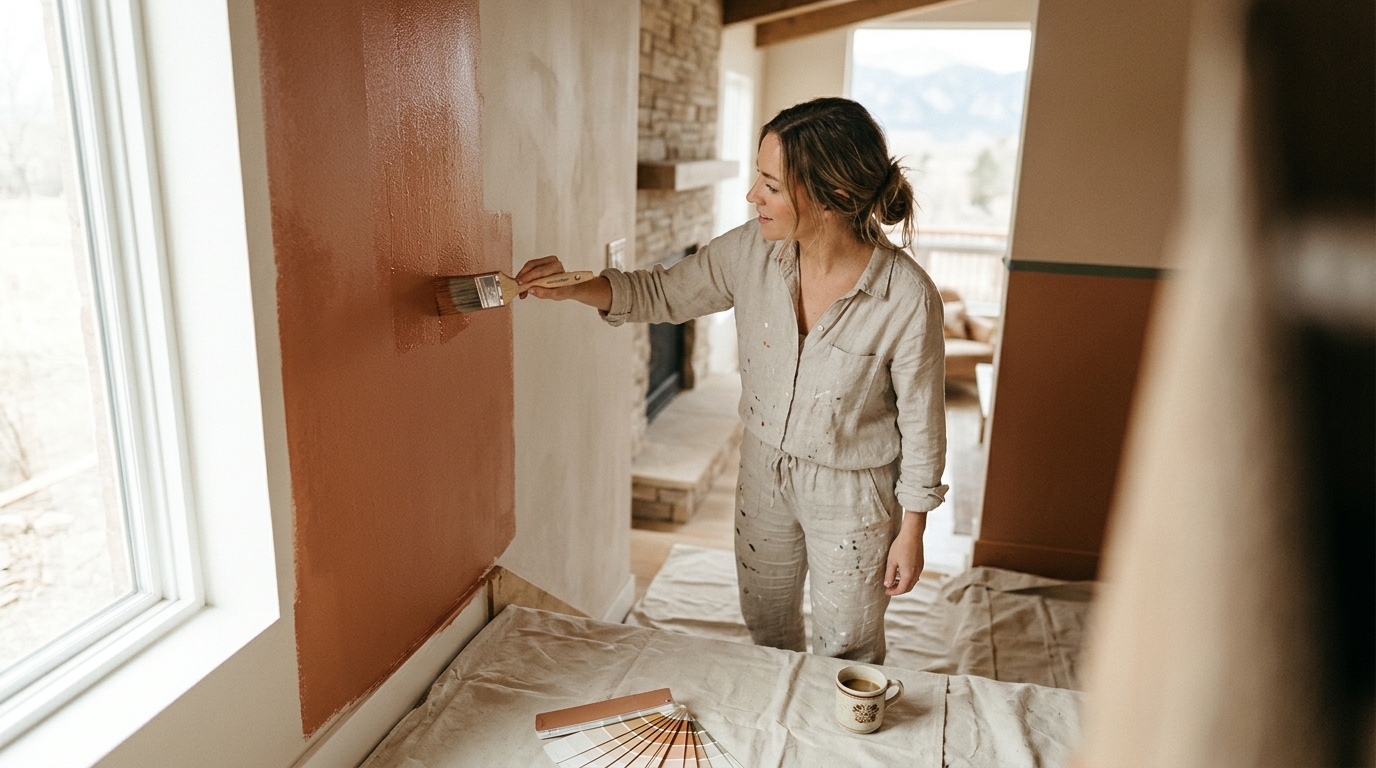
Denver's unique climate and architectural styles present specific challenges for interior painting. Residential Property Contractors, LLC helps homeowners navigate these local factors to achieve durable, beautiful results. This guide outlines seven essential tips to protect your investment and enhance your living space.
1. Manage Humidity and Moisture
Control moisture levels to prevent peeling and mold. Denver experiences significant temperature swings and seasonal humidity changes that can stress interior walls. Interior painting is the process of applying protective coatings to indoor surfaces, and it requires stable environmental conditions to adhere properly. Ensure your home's HVAC system is functioning correctly before starting any major painting project. This helps maintain consistent humidity levels, which is critical for long-lasting paint performance.
2. Select Appropriate Paint Sheens
Match the sheen to the room's function and traffic. Paint sheen is the level of gloss or reflectivity on the finished surface, and it directly impacts durability and cleanability. High-traffic areas like hallways and kitchens benefit from semi-gloss or satin finishes that withstand frequent cleaning. Lower-traffic spaces such as bedrooms and living rooms often look best with eggshell or matte finishes that hide imperfections. Choosing the right balance ensures your walls remain attractive and functional for years.
3. Prepare Surfaces Thoroughly
Invest time in surface prep to ensure a smooth finish. Proper preparation is the foundation of any successful painting project, involving cleaning, sanding, and priming. Denver homes, particularly older properties, may have underlying issues like drywall seams or previous paint failures that need addressing. Use a high-quality primer to seal porous surfaces and block stains. This step prevents uneven color absorption and ensures the topcoat adheres securely to the wall.
4. Choose Color Palettes for Light
Consider natural light when selecting interior colors. Color perception is the visual interpretation of paint hues under specific lighting conditions, and it varies significantly throughout the day. Denver's strong sun exposure can make certain colors appear brighter or warmer than they do in a store. Test paint samples on large wall sections and observe them at different times of day. This practice helps you choose shades that complement your home's natural lighting and architectural features.
5. Control Indoor Air Quality
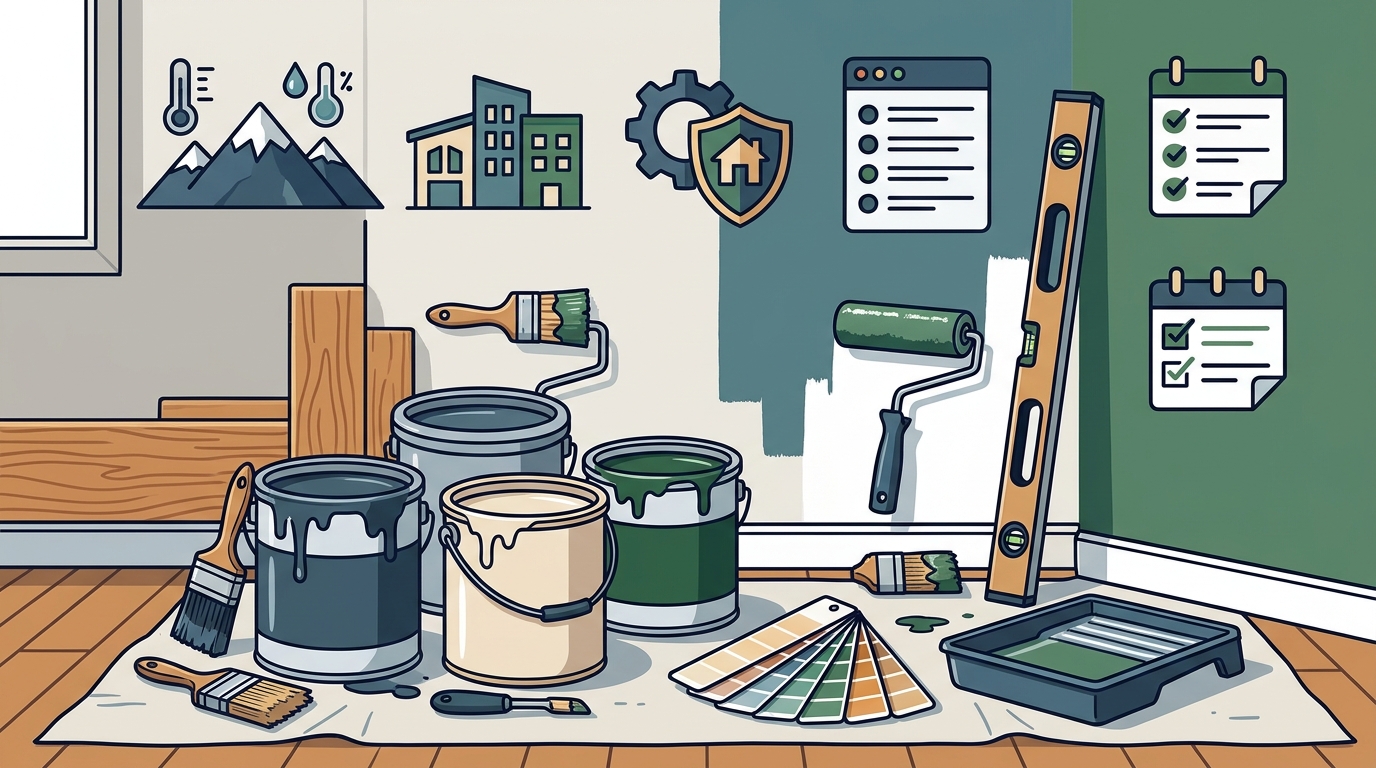
Use low-VOC paints and maintain ventilation. Volatile organic compounds (VOCs) are chemicals released as gases from certain liquid products, including some paints. Modern low-VOC and zero-VOC paints are widely available and provide excellent coverage with minimal odor. Ensure adequate ventilation by opening windows or using fans during and after painting. This practice helps dissipate any remaining fumes and maintains a healthy indoor environment for your family.
6. Coordinate with Other Renovations
Sequence painting with other interior upgrades for efficiency. General remodeling is the process of updating multiple aspects of a home's interior, and painting is often the final step. If you are replacing flooring, updating trim, or installing new fixtures, plan the painting phase to occur after these tasks are complete. This sequencing prevents damage to fresh paint and ensures a cohesive look throughout the space. Coordinating these elements with a professional contractor can streamline the entire project timeline.
7. Plan for Seasonal Timing
Schedule painting during stable weather periods. Seasonal timing is the strategic selection of project dates based on local climate patterns, which affects paint drying and curing. In Denver, spring and fall can offer mild temperatures ideal for interior work, while extreme summer heat or winter cold may require climate control adjustments. Plan your project to avoid periods of high humidity or temperature fluctuations. This approach helps ensure that the paint cures properly and achieves its intended durability and appearance.
Choosing the Right Approach
Select the tip that addresses your most pressing concern, whether it is moisture control, color selection, or project sequencing. For comprehensive interior updates, consider working with a professional team that understands local building practices and material performance. Residential Property Contractors, LLC offers expert guidance on interior painting as part of their general remodeling services in Denver. To plan your project, for a free estimate.
Frequently Asked Questions
How long does interior paint take to dry in Denver?
Drying times depend on humidity and temperature, but most modern paints dry to the touch within an hour and are ready for light use in 24 hours. Denver's dry climate can sometimes speed up drying, but proper ventilation is still essential for full curing.
Do I need to prime before painting over dark colors?
Yes, priming is recommended when covering dark colors with light shades to ensure even coverage and prevent the old color from bleeding through. A high-quality primer also improves the adhesion of the topcoat to the existing surface.
What is the best paint sheen for a Denver living room?
Eggshell or satin sheens are often ideal for living rooms, offering a balance of durability and a soft, non-reflective finish. These sheens are easy to clean and complement the natural light found in many Denver homes.
Can I paint during the winter in Denver?
Yes, you can paint during the winter as long as the indoor temperature is maintained between 50 and 85 degrees Fahrenheit. Ensure the space is well-heated and ventilated to allow the paint to cure properly despite the cold outside.
How do I choose a paint color that works with my flooring?
Consider the undertones of your flooring and choose a paint color that complements or contrasts them intentionally. Bringing paint samples into the room and viewing them next to the flooring at different times of day helps ensure a cohesive look.