
Common Mistakes When Hiring a Denver Hail Damage Contractor and How to Avoid Them
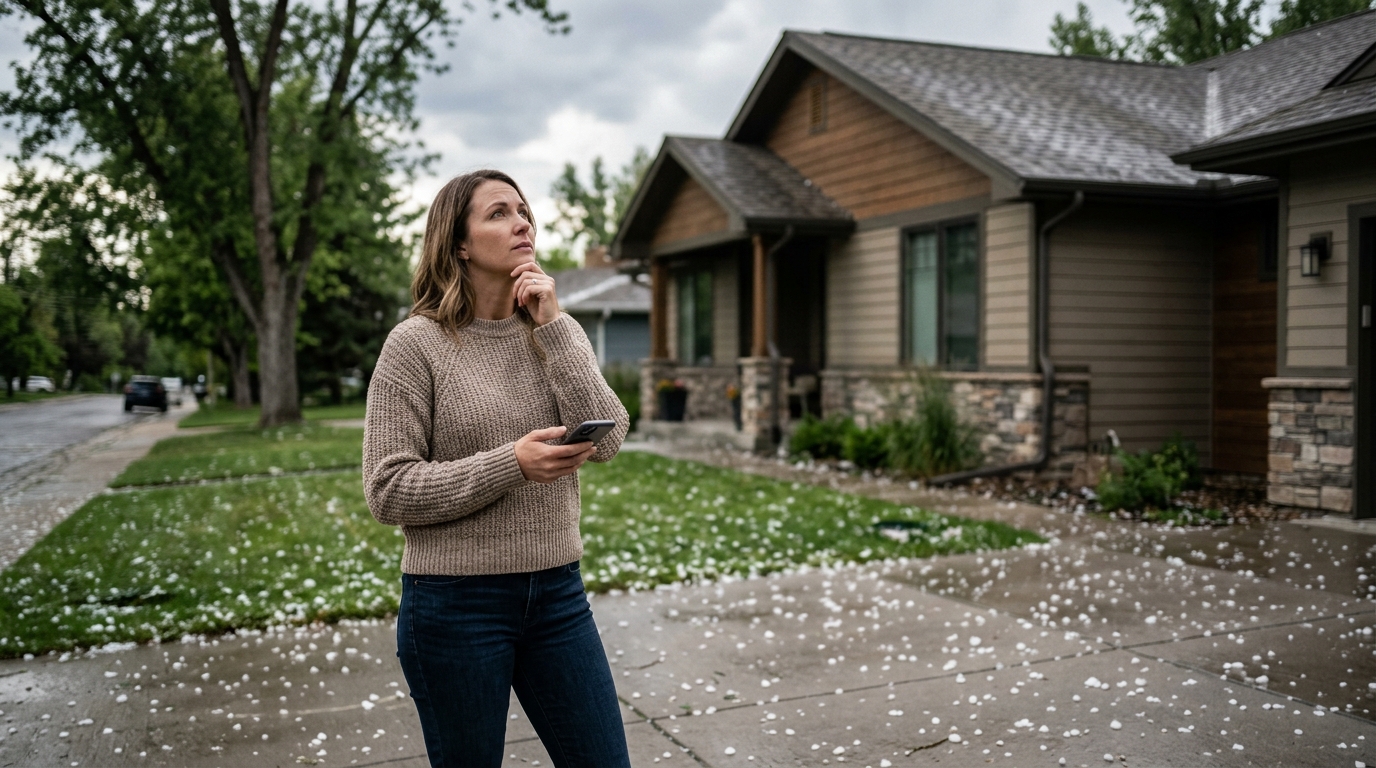
Denver experiences an average of 2 to 3 significant hailstorms annually, with some events producing hailstones larger than golf balls. This frequency makes roof and siding damage a common reality for homeowners in the metro area. According to the National Weather Service, Colorado consistently ranks among the top states for hail frequency, creating a high-demand environment for repair services. Navigating this market requires careful vetting to ensure your property is restored correctly and safely.
Understanding the Scope of Hail Damage
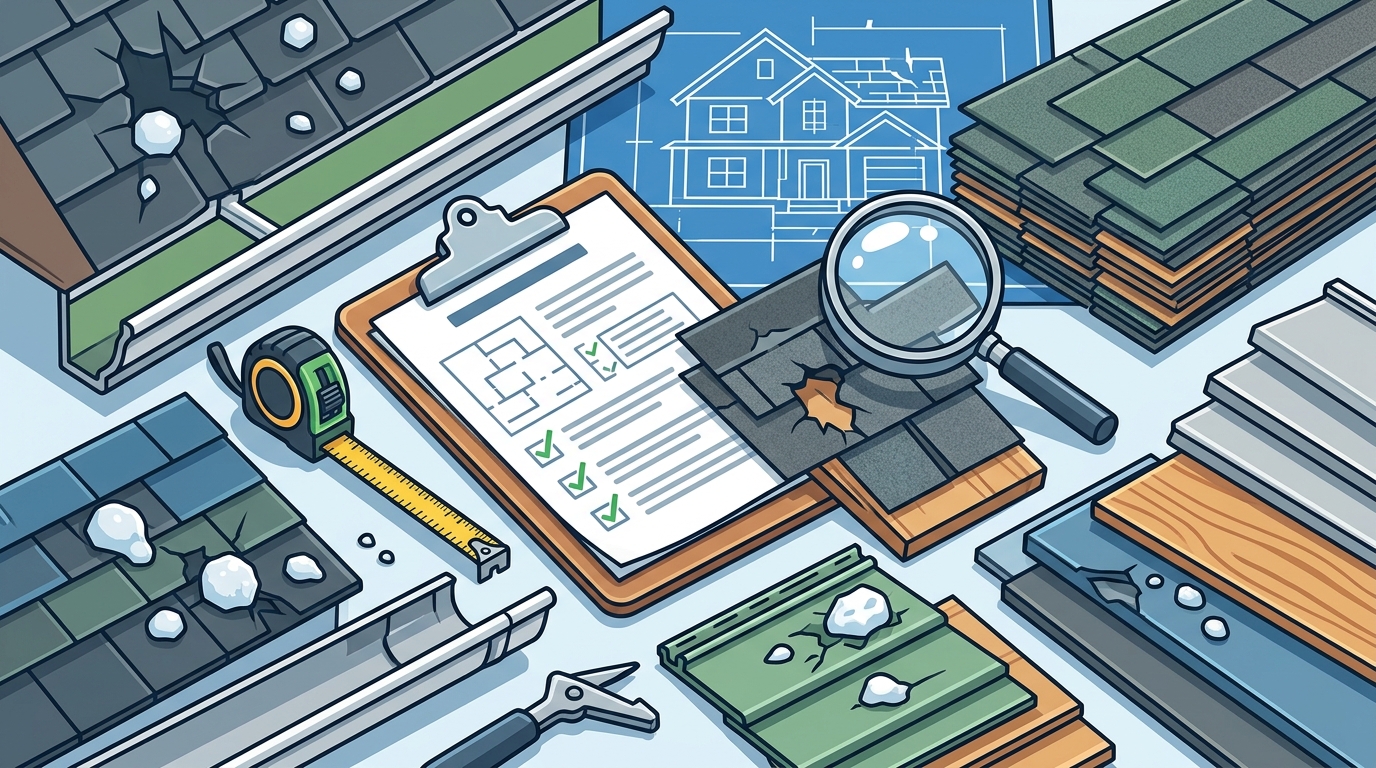
Hail damage is often more subtle than it appears. While large dents are visible, smaller impacts can compromise the granular layer of asphalt shingles, leading to premature failure. Roof integrity is the primary defense against water intrusion and structural decay. Homeowners frequently mistake cosmetic damage for minor wear, only to face leaks months later when the compromised shingles fail under thermal stress.
Exterior siding also suffers from hail impact. Vinyl siding can crack or dent, while aluminum siding may show significant deformation. These damages are not just aesthetic; they can compromise the weather-resistant barrier of the home. A comprehensive inspection must evaluate both the roof and the siding to determine the full scope of necessary repairs.
Mistake 1: Ignoring Local Credentials and Insurance
One of the most critical errors homeowners make is hiring contractors who lack proper licensing and insurance. In Colorado, contractors must be registered with the state. Working with an unlicensed contractor voids many warranty protections and leaves the homeowner liable for any on-site accidents.
Residential Property Contractors, LLC maintains full licensing and insurance coverage to protect our clients. We are A+ Accredited by the Better Business Bureau, a standard that reflects our commitment to ethical business practices and customer satisfaction. Learn more about our company credentials and why they matter for your project.
Always verify a contractor's insurance certificate directly. This documentation proves they carry general liability and workers' compensation insurance. If a contractor refuses to provide this, it is a major red flag. Proper insurance ensures that if damage occurs during the repair process, you are not financially responsible.
Mistake 2: Accepting the First Quote Without Verification
Storm chasers often flood neighborhoods with low-ball estimates to secure quick contracts. Accepting the first quote without comparison can lead to subpar workmanship and hidden costs. A realistic scope of work includes detailed material specifications, labor hours, and a clear timeline.
At Residential Property Contractors, we provide free, professional estimates that are transparent and detailed. We avoid the pressure tactics common in the industry. Our process involves a thorough walkthrough to identify all damaged areas, ensuring the quote reflects the true cost of restoration. Comparing multiple detailed quotes helps you understand the market rate and the quality of materials being offered.
Mistake 3: Overlooking the Insurance Claims Process
Many homeowners do not realize that hail damage is typically covered by their homeowners insurance policy. However, navigating the claims process can be complex. Insurance adjusters may underestimate the extent of the damage, leading to insufficient coverage. Homeowners who do not advocate for themselves often pay out of pocket for necessary repairs.
We specialize in insurance claim assistance. Our team helps document damage, define an accurate scope of repairs, and complete restoration work aligned with the approved claim. We emphasize proper drying, removal, and rebuilding so repairs address root causes, not just surfaces. This support ensures you receive the full coverage you are entitled to for your property.
Mistake 4: Poor Material Selection and Durability
Choosing the wrong materials for Denver's climate is a costly mistake. The city experiences significant temperature swings and intense UV exposure. Materials that do not withstand these conditions will degrade quickly, leading to repeated repair cycles.
Material durability is essential for long-term protection. We use high-quality, code-conscious installations that meet or exceed industry standards. Our team guides you through material selection, considering factors like impact resistance for roofs and fade resistance for siding. Investing in premium materials upfront reduces long-term maintenance costs and extends the service life of your home's exterior.
Mistake 5: Neglecting Exterior Envelope Details
Focusing solely on the roof while ignoring siding, gutters, and trim is a common oversight. The exterior envelope works as a system. If one component fails, it can compromise the others. For example, damaged gutters can cause water to pool around the foundation, leading to structural issues.
We offer comprehensive exterior services that address all components of your home's envelope. This includes proper flashing, sealed penetrations, ventilation, and durable finishes. By treating the exterior as a unified system, we ensure that repairs to one area do not create vulnerabilities in another. This holistic approach protects your investment and maintains your home's curb appeal.
Comparing Service Approaches
Understanding the difference between general repair and specialized restoration is key. The table below outlines the distinctions between common service types available in the Denver market.
| Service Type | Scope of Work | Best For | Provider Expertise |
|---|---|---|---|
| New Home Construction | Full build from foundation to finish | Building a new property | Structural engineering and code compliance |
| General Remodeling | Kitchen, bath, and layout updates | Interior modernization | Trade coordination and finish consistency |
| Insurance Claim Restoration | Damage documentation and repair | Hail and storm damage | Claims advocacy and scope accuracy |
| Exterior Services | Siding, roofing, and gutter repair | Envelope protection | Weather-resistant installation techniques |
Key Takeaways
- Local Expertise Matters: Denver's climate demands specific material choices and installation techniques to withstand hail and UV exposure.
- Verify Credentials: Always check for licensing, insurance, and BBB accreditation before hiring a contractor.
- Insurance Advocacy: Professional contractors can help navigate the claims process to ensure you receive full coverage for hail damage.
- Comprehensive Inspections: Hail damage often affects both the roof and siding; inspecting only one area can miss critical issues.
- Transparent Quotes: Avoid pressure tactics and low-ball estimates. Detailed, written scopes of work are essential for accountability.
- Quality Materials: Investing in high-durability materials reduces long-term maintenance and extends the life of your home's exterior.
- Single Point of Contact: Working with a full-service partner simplifies the process by coordinating all trades and details.
Frequently Asked Questions
How do I know if my roof has hail damage?
Hail damage often appears as random, circular dents on shingles. Look for loss of granules, which may show up as bare spots on the shingle surface. A professional inspection is necessary to confirm the extent of the damage.
Can hail damage affect my home's warranty?
Yes, if damage is not addressed promptly, it can lead to leaks that void manufacturer warranties. Timely repair by a licensed contractor helps preserve your warranty coverage.
What is the typical timeline for hail damage repairs?
Timelines vary based on the scope of work. Minor repairs may take a few days, while full roof and siding replacements can take several weeks. We provide realistic timelines during the estimate phase.
Do I need to pay for a roof inspection?
Many reputable contractors offer free inspections. We provide free estimates to help homeowners assess their property's condition without upfront costs.
How does hail damage impact home value?
Unaddressed exterior damage can significantly lower curb appeal and structural integrity, impacting resale value. Restoring the home to its pre-storm condition helps maintain its market worth.
What materials are best for Denver's climate?
Impact-resistant shingles and durable siding materials are recommended. These materials are designed to withstand the region's frequent hail and temperature fluctuations.
Is light commercial remodeling included in your services?
Yes, we offer light commercial remodeling for tenant improvements and refreshes, ensuring your business property is also protected.
Contact an Expert
Do not let hail damage compromise your home's safety and value. Our team is ready to help you plan, budget, and build with confidence. We provide clear communication and expert service from blueprint to finish. Contact us today to schedule your free consultation and let our experts bring your vision to life.