
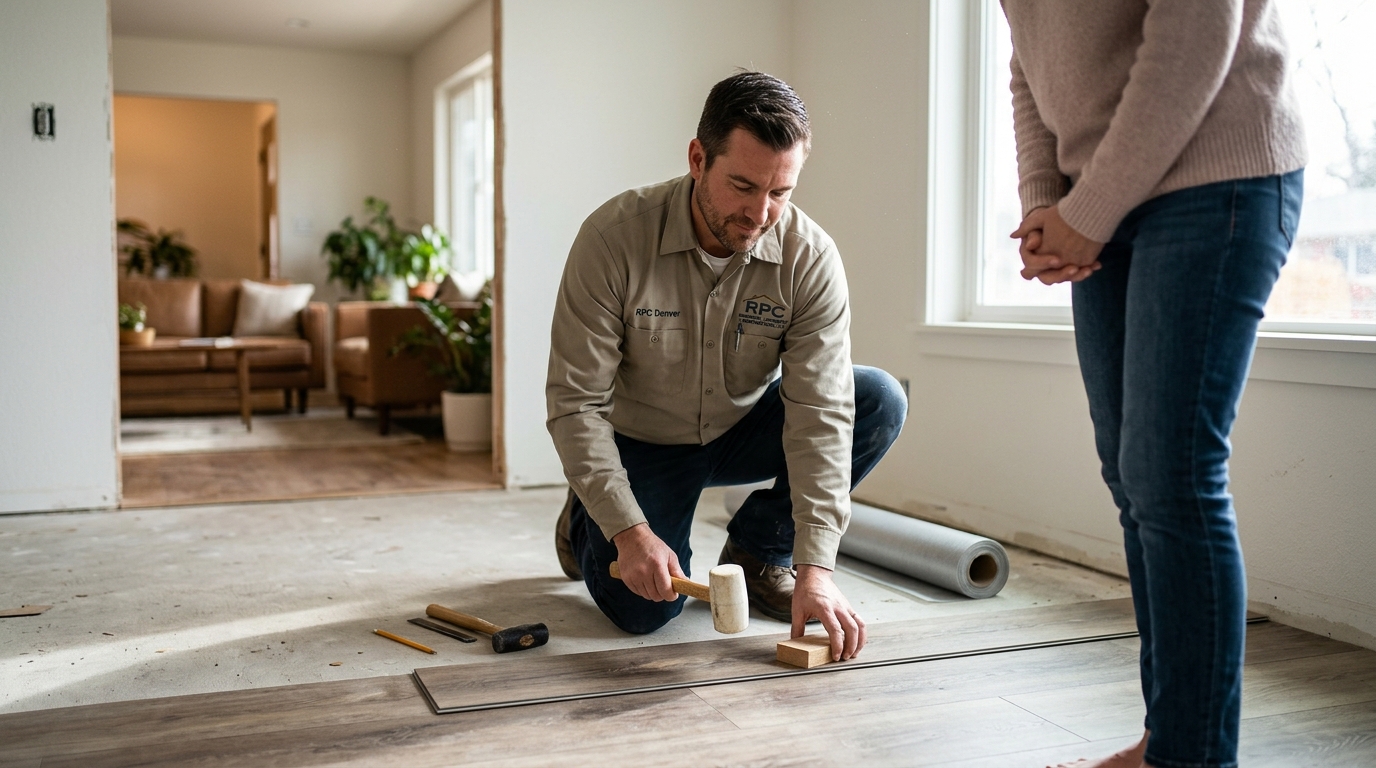
Denver homeowners face unique environmental challenges that directly impact the longevity of luxury vinyl plank (LVP) flooring. According to the National Weather Service, the Denver metro area experiences significant seasonal humidity fluctuations and temperature swings that can cause standard installation methods to fail if not properly adapted. Ignoring these local climate factors often leads to gapping, buckling, or premature wear within the first few years of use. This guide outlines the critical errors to avoid and the professional standards required to ensure your investment lasts. (About Residential Property Contractors)
Why Acclimation Matters in Denver's Climate
One of the most frequent mistakes DIYers make is skipping the acclimation process. LVP materials, while more stable than hardwood, still react to changes in temperature and humidity. In Denver, where indoor heating during winter can drop relative humidity significantly, materials need time to adjust to the home's specific environment before installation begins. (Residential Contractors For Homes)
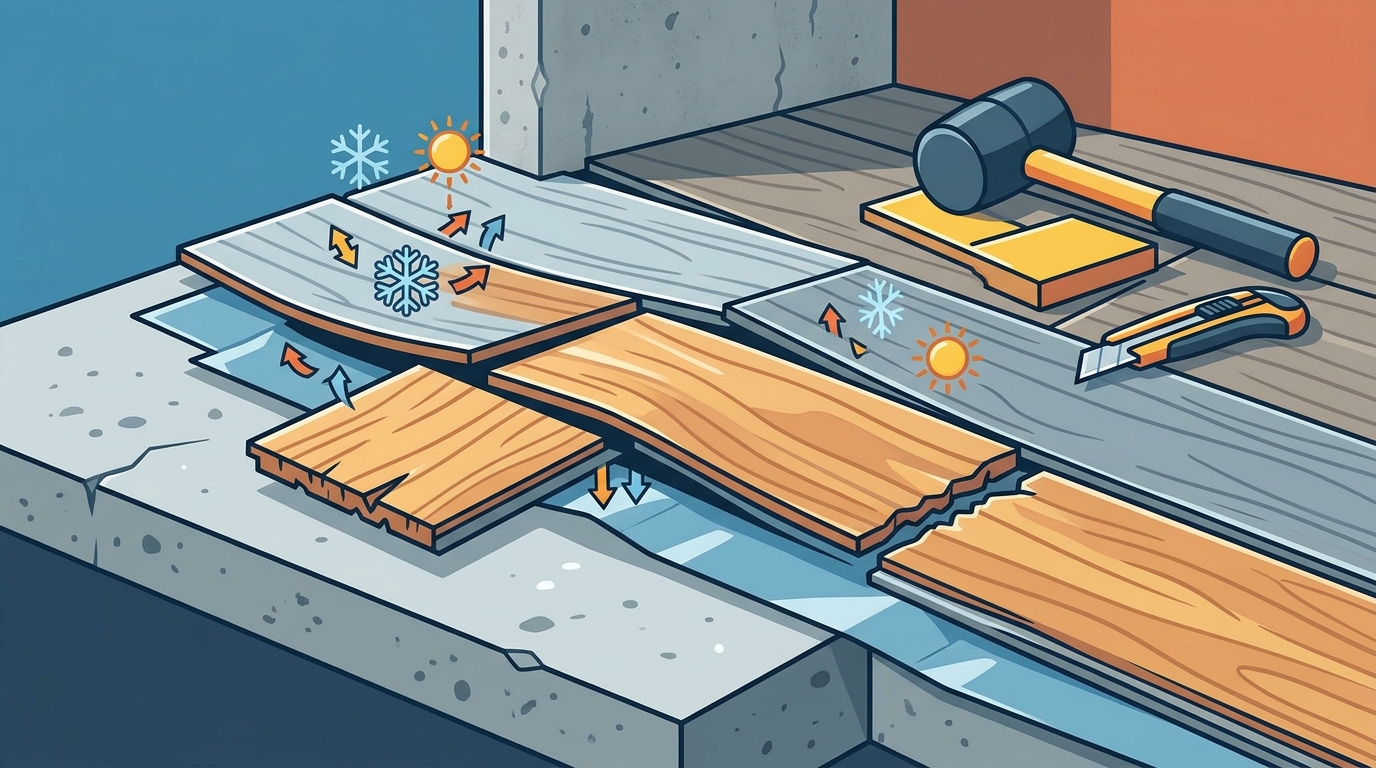
Failure to acclimate can result in the planks expanding or contracting after they are locked into place. This movement creates stress on the locking mechanisms, leading to visible gaps between planks or, in severe cases, buckling along the walls. Proper acclimation ensures the material reaches equilibrium with your home's HVAC system, preventing these structural issues later.
Subfloor Preparation and Moisture Testing
A perfectly flat subfloor is non-negotiable for LVP success. Many homeowners overlook minor imperfections, assuming the flexible vinyl will conform to them. However, even small dips or humps can cause the locking seams to break under foot traffic over time. The subfloor must be clean, dry, and structurally sound before any planks are laid.
Moisture testing is equally critical, especially in Denver homes with slab-on-grade foundations. Concrete slabs can wick moisture from the ground, which can damage the adhesive or the core of the LVP if not addressed. A professional moisture test determines if a vapor barrier is necessary. Ignoring this step can lead to mold growth beneath the flooring and eventual delamination of the planks.
Ignoring Expansion Gaps
LVP flooring is a floating floor, meaning it is not glued or nailed to the subfloor. It needs room to expand and contract naturally with seasonal changes. A common error is installing the flooring too tightly against the walls, leaving no expansion gap.
Without this gap, the flooring has nowhere to go when it expands, resulting in buckling or "tenting" where the floor lifts off the subfloor. This is particularly risky in Denver homes with large windows or sunrooms that experience direct sunlight and heat gain. Always leave the manufacturer-recommended gap, typically around 1/4 inch, around the perimeter of the room.
Choosing the Right Underlayment
While many LVP planks come with attached underlayment, it is not always sufficient for every home environment. In Denver, where temperature fluctuations are common, a separate underlayment can provide additional thermal insulation and sound dampening. However, using the wrong type can cause the floating floor to shift or slide.
Some underlayments are too thick or too soft, which can prevent the locking mechanisms from engaging properly. This leads to loose seams and a spongy feel underfoot. It is essential to match the underlayment thickness and density to the specific LVP product specifications to ensure a stable and quiet floor.
Transition Molding and Threshold Errors
Transitions between different flooring types or rooms are often an afterthought, but they play a crucial role in the floor's performance. Improperly installed transitions can trap moisture or create tripping hazards. In Denver, where snow and salt are tracked indoors during winter, transitions at entryways need to be durable and easy to clean.
Another mistake is failing to account for the height difference between the LVP and adjacent flooring. If the transition strip is not properly fitted, it can lift up or create a gap that collects debris. Professional installation ensures that transitions are secure, level, and aesthetically pleasing, protecting the edges of the LVP from damage.
When to Hire a Licensed Contractor
While DIY installation is popular, the complexity of LVP in Denver's climate often requires professional expertise. Residential Property Contractors, LLC specializes in high-quality flooring installations that account for local building codes and environmental factors. Our team ensures that every step, from subfloor preparation to final cleanup, meets the highest standards of craftsmanship.
Attempting a complex installation without the right tools or knowledge can lead to costly repairs down the line. Professional installers have the experience to handle irregularities in the subfloor and the expertise to choose the right materials for your specific home. For a seamless and durable result, consider consulting with a licensed contractor who understands the unique needs of Denver homes.
Key Takeaways
- Always acclimate LVP materials to your home's humidity and temperature before installation.
- Conduct a moisture test on concrete subfloors to prevent future damage from wicking.
- Leave adequate expansion gaps around the perimeter to prevent buckling.
- Choose an underlayment that matches the LVP specifications for stability and sound control.
- Install durable transitions at entryways to handle Denver's winter weather conditions.
- Hire licensed professionals for complex subfloor repairs or moisture mitigation.
Frequently Asked Questions
How long should LVP acclimate in a Denver home?
LVP should typically acclimate for at least 24 to 48 hours in the room where it will be installed. This allows the material to adjust to the local temperature and humidity levels, reducing the risk of expansion or contraction after installation.
Can I install LVP directly over existing tile?
Yes, LVP can often be installed over existing tile if the surface is flat, clean, and secure. However, any grout lines or imperfections must be filled and leveled to prevent them from telegraphing through the vinyl. A professional assessment is recommended to ensure the subfloor is suitable.
What is the best underlayment for Denver's climate?
A foam or cork underlayment with a vapor barrier is often recommended for Denver homes. This combination provides thermal insulation against cold winters and moisture protection for slab foundations. Always check the LVP manufacturer's recommendations for compatible underlayments.
How do I prevent gaps between LVP planks?
Gaps are usually caused by improper acclimation or lack of expansion space. Ensure the material is acclimated correctly and that expansion gaps are maintained around the perimeter. Using the correct locking mechanism and avoiding excessive force during installation also helps prevent gaps.
Is LVP suitable for homes with radiant heating?
Yes, many LVP products are compatible with radiant heating systems. However, the temperature of the floor should not exceed the manufacturer's maximum limit, usually around 85 degrees Fahrenheit. Gradual temperature changes are key to preventing damage to the vinyl.
How do I clean LVP flooring in a high-traffic home?
Regular sweeping or vacuuming with a hard-floor attachment removes abrasive dirt. Mop with a damp microfiber mop and a pH-neutral cleaner specifically designed for vinyl. Avoid steam mops, as the heat and moisture can damage the seams and adhesive.
What is the lifespan of LVP in Denver?
With proper installation and maintenance, LVP can last 10 to 20 years or more in Denver homes. Factors such as the quality of the underlayment, the thickness of the wear layer, and adherence to expansion gap requirements significantly influence its longevity.
Ready to Start Your Project?
Avoid the common pitfalls of LVP installation by partnering with experts who understand Denver's unique building environment. Residential Property Contractors, LLC offers comprehensive flooring solutions, from initial consultation to final installation. Contact us today at (303) 882-7468 or visit our Contact Page to schedule a free estimate and ensure your new floor stands the test of time.