
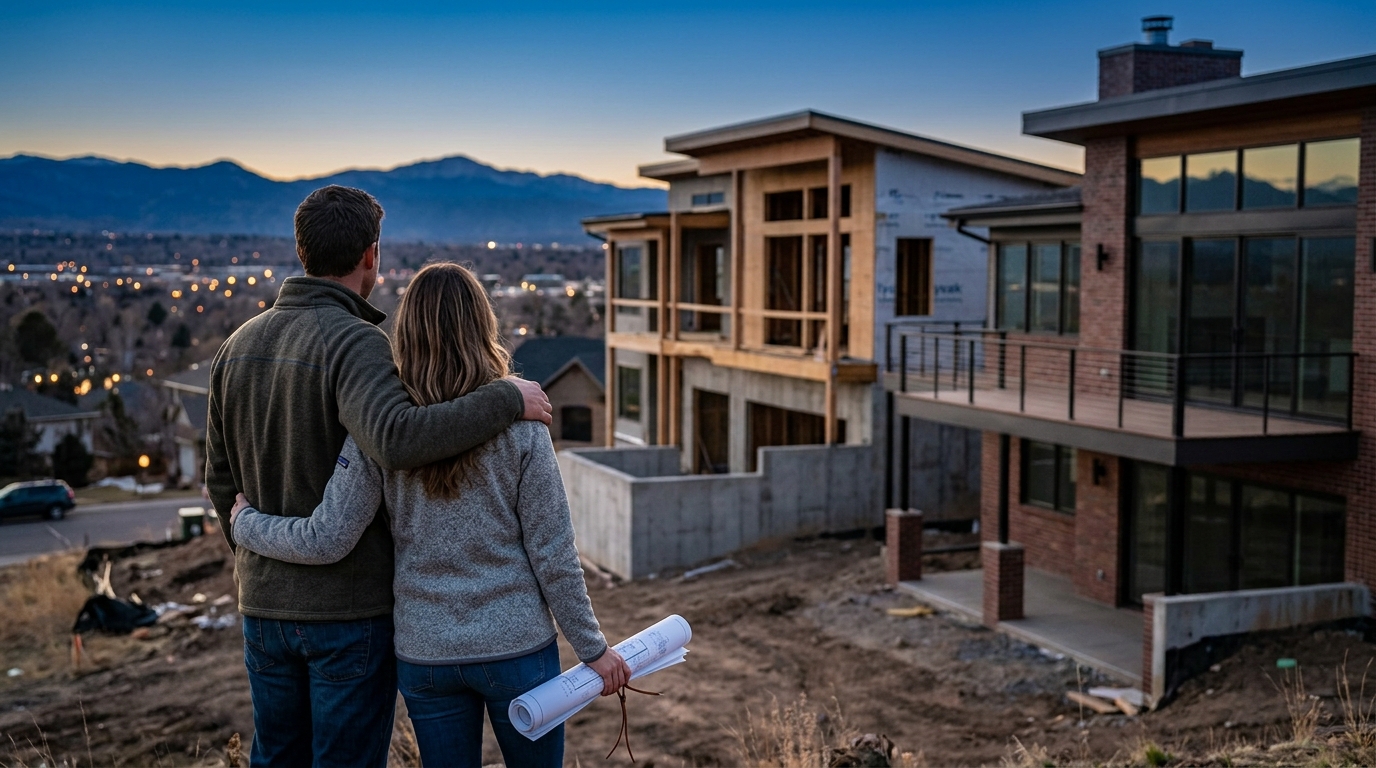
Denver’s real estate market is defined by a unique tension between preserving historic charm and embracing modern efficiency. According to recent housing market reports, the median home price in Denver has consistently outpaced national averages, forcing many homeowners to choose between building new or renovating existing structures. This decision is not merely financial; it dictates your lifestyle, your timeline, and your long-term property value. Understanding the operational differences between these two paths is critical for protecting your investment.
Defining the Projects
Before committing capital, you must understand the fundamental nature of each undertaking. New Home Construction is the process of building a structure from the ground up. This involves site preparation, foundation pouring, framing, mechanical installations, and final finishes. It offers total customization but requires navigating raw land or teardown scenarios.
General Remodeling is the renovation, repair, or expansion of an existing structure. This ranges from cosmetic updates like kitchen and bath refreshes to structural changes like adding square footage. It allows you to live in a desirable neighborhood while modernizing the interior. Both paths require licensed oversight to ensure safety and code compliance.
Cost Analysis and Budgeting
Cost is often the primary driver for homeowners in the Denver metro area. However, comparing the two requires looking beyond the initial quote.
New Home Construction Costs
Building new involves land acquisition, which can be the most volatile cost component. In Denver, lot prices vary significantly by neighborhood. Once the land is secured, construction costs are driven by material volatility and labor availability. New builds allow you to budget for every detail, from insulation R-values to smart home wiring. You avoid the hidden costs of outdated systems found in older homes.
General Remodeling Costs
Remodeling costs are often perceived as lower because you are not paying for land. However, demolition and disposal fees add up quickly. Older Denver homes, particularly those in historic districts, often contain lead paint, asbestos, or knob-and-tube wiring. Remediation of these hazards can double a remodel budget unexpectedly. A general remodeling project requires a contingency fund of at least 20 percent to handle unforeseen structural issues.
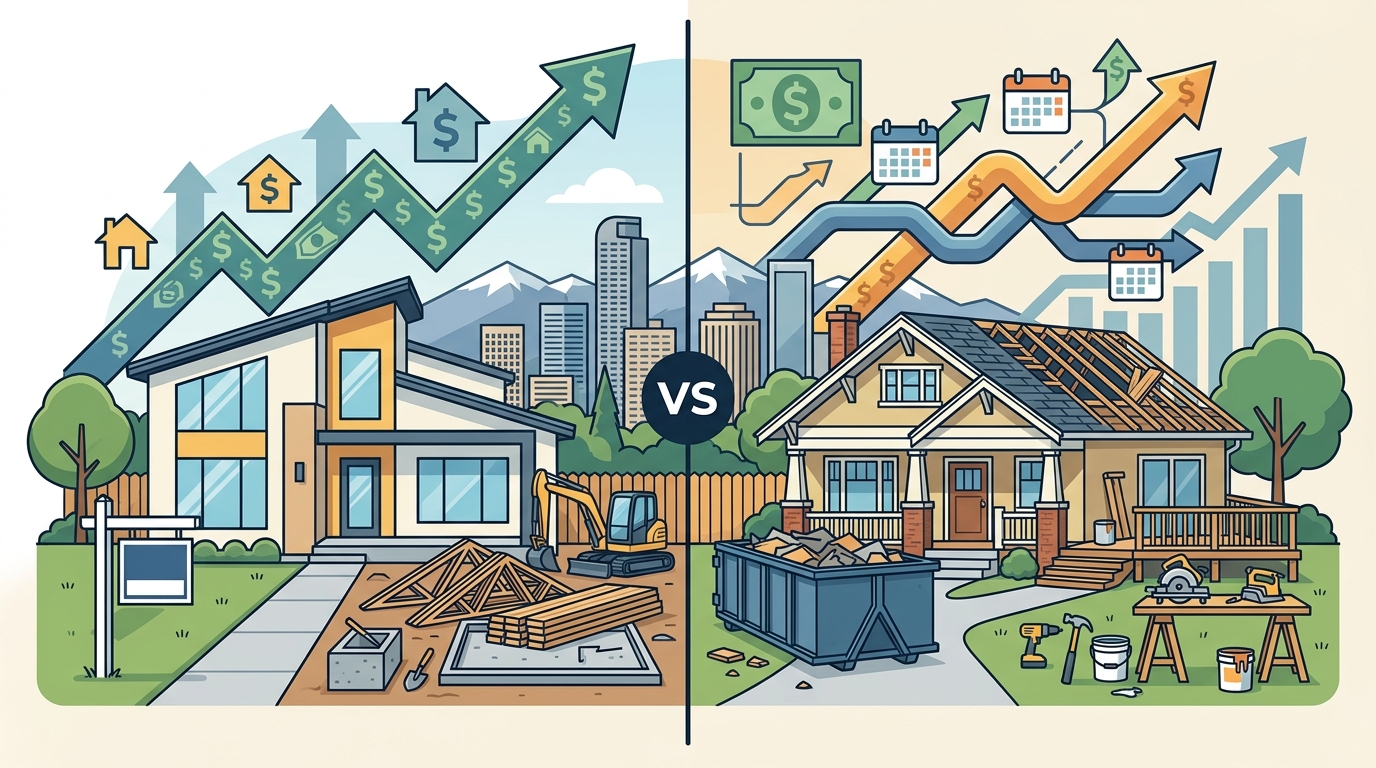
Timeline and Scheduling
Time is money, and the duration of each project type differs drastically.
New Home Construction Timelines
A new build typically takes between 9 to 12 months from groundbreaking to final walkthrough. This timeline includes permit processing, which can be lengthy in Denver. Weather delays, especially during winter months, can extend framing and exterior work. You must coordinate with multiple subcontractors, from excavators to roofers, ensuring each trade finishes before the next begins.
Remodeling Timelines
A new home construction project is linear. A general remodel can be faster but is often more unpredictable. A kitchen and bath renovation might take 3 to 6 months. However, if structural walls are removed, the timeline extends. Living on-site during a remodel adds stress and limits work hours, potentially slowing progress. You must plan for dust containment and temporary living arrangements.
Permits and Denver Regulations
Denver has strict building codes and zoning laws that impact both paths differently.
Zoning and Land Use
Building new requires verifying zoning allowances. Can you build a duplex? Is there a height restriction? You must ensure the lot meets minimum square footage requirements. If you are tearing down an existing home, you must comply with demolition permits and environmental regulations.
Historic Preservation
Many Denver neighborhoods are historic districts. If you remodel a home in these areas, you may need approval from the Denver Landmark Preservation Commission. This process can add months to your timeline and restrict exterior changes. New construction on a teardown lot in a historic district may also face strict design review boards. Always check local regulations before signing a contract.
Service Comparison Matrix
The table below summarizes the key differences to help you decide which path aligns with your goals.
| Factor | New Home Construction | General Remodeling |
|---|---|---|
| Customization | 100% Custom from foundation to finish. | Limited by existing structural constraints. |
| Timeline | 9-12 Months (Predictable). | 3-6 Months (Unpredictable). |
| Hidden Costs | Low (Known variables). | High (Demolition, hazardous materials). |
| Location | Requires land acquisition. | Retain existing neighborhood. |
| Efficiency | Modern insulation and HVAC standards. | May require system upgrades. |
Key Takeaways
- Cost Control: New construction offers predictable pricing, while remodeling carries higher risks of budget overruns due to hidden structural issues.
- Timeline Certainty: Building new follows a linear schedule, whereas remodeling is often interrupted by unforeseen conditions.
- Regulatory Hurdles: Historic districts impose strict rules on both new builds and remodels, requiring early consultation with city officials.
- Energy Efficiency: New homes meet current energy codes, offering lower utility bills and better indoor air quality compared to older renovated homes.
- Neighborhood Value: Remodeling allows you to stay in established neighborhoods with mature landscaping and community roots.
- Insurance Claims: If damage is the driver, insurance claims can cover restoration, making remodeling the faster route to pre-loss condition.
- Expert Coordination: Both paths require a single accountable team to manage trades, permits, and quality checkpoints effectively.
Frequently Asked Questions
Is it cheaper to remodel or build new in Denver?
Generally, building new is more expensive due to land costs and current material prices. However, remodeling older homes can become costly due to the need for hazardous material remediation and structural reinforcement.
How long does a new home construction project take?
A typical new home construction project in Denver takes between 9 to 12 months, depending on weather, permit approval times, and supply chain availability.
Can I remodel a historic home in Denver?
Yes, but you must adhere to strict preservation guidelines. Changes to the exterior often require approval from the Landmark Preservation Commission to maintain historical integrity.
What is the difference between general remodeling and light commercial remodeling?
General remodeling focuses on residential spaces like kitchens and baths. Light commercial remodeling targets business spaces, focusing on tenant improvements, office layouts, and code compliance for public occupancy.
Do I need a permit for a basement finish?
Yes, finishing a basement requires permits to ensure proper egress, electrical safety, and moisture management. Unpermitted work can cause issues when selling your home.
How does insurance claims work for home repairs?
When damage occurs, an insurance adjuster assesses the loss. A contractor then provides a detailed scope of work aligned with the claim. We help document damage and define an accurate scope for restoration.
What exterior services are recommended for Denver weather?
Denver’s climate demands durable siding, proper flashing, and sealed penetrations to prevent moisture intrusion. Exterior services like roof repair and gutter installation protect the home envelope.
Start Your Project
Whether you are ready to break ground on a new build or renovate your current home, Residential Property Contractors, LLC provides the expertise to navigate both paths. We offer transparent timelines, accurate scopes of work, and licensed oversight for every project. Contact us today to schedule your free consultation and get a professional assessment of your project.
Get a Quote