
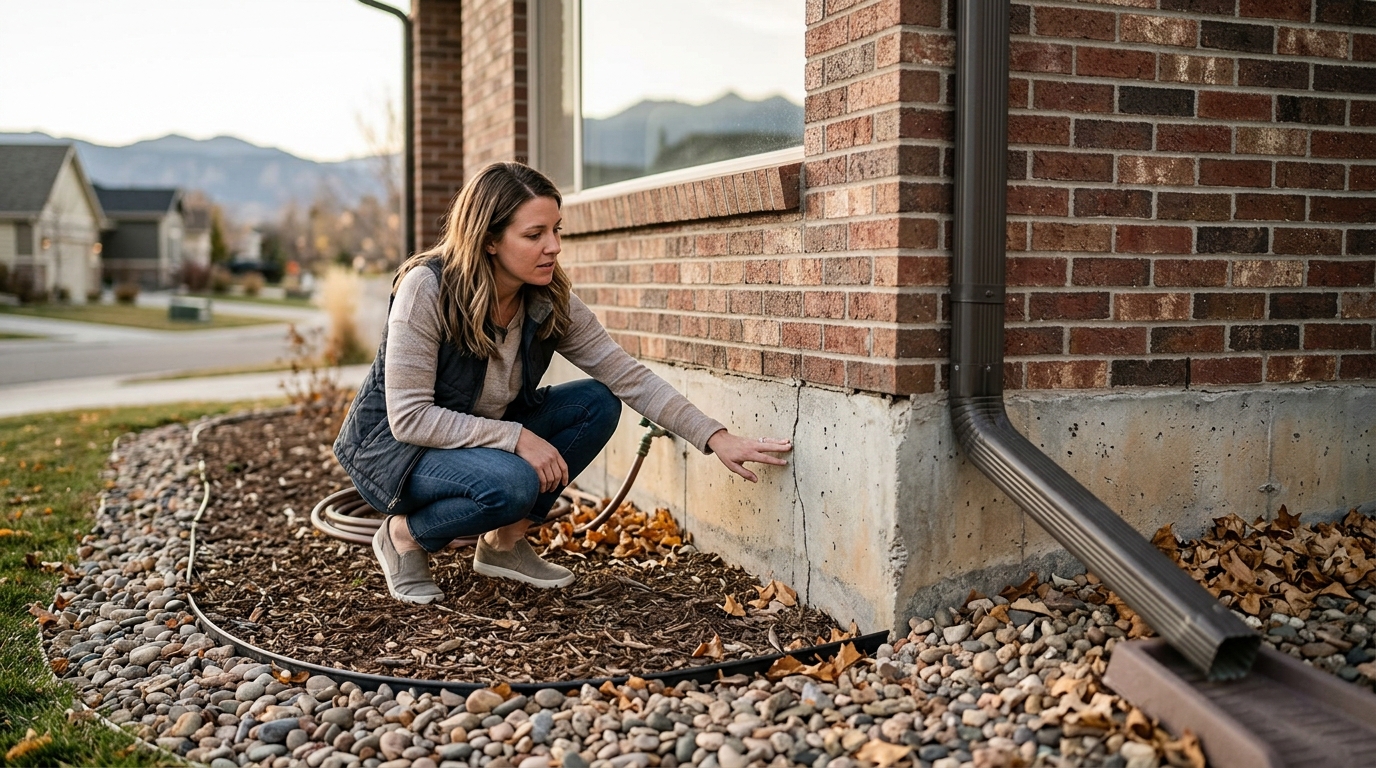
Homeownership in the Front Range presents unique challenges due to the region's extreme weather patterns and shifting soil conditions. According to recent industry data, nearly 40% of residential structural issues in the Rocky Mountain region stem from preventable maintenance oversights rather than inherent building defects. When homeowners ignore early warning signs, they often face repair costs that triple the initial budget. This guide outlines the most frequent errors Denver residents make during renovations and repairs, offering actionable strategies to protect your property investment.
Ignoring the Exterior Envelope
The exterior of your home acts as the primary barrier against Colorado's harsh climate. Many homeowners make the critical mistake of focusing solely on interior aesthetics while neglecting the structural integrity of the envelope. This oversight leads to moisture intrusion, which is the leading cause of long-term damage in Denver homes.
Flashing and Sealant Failure
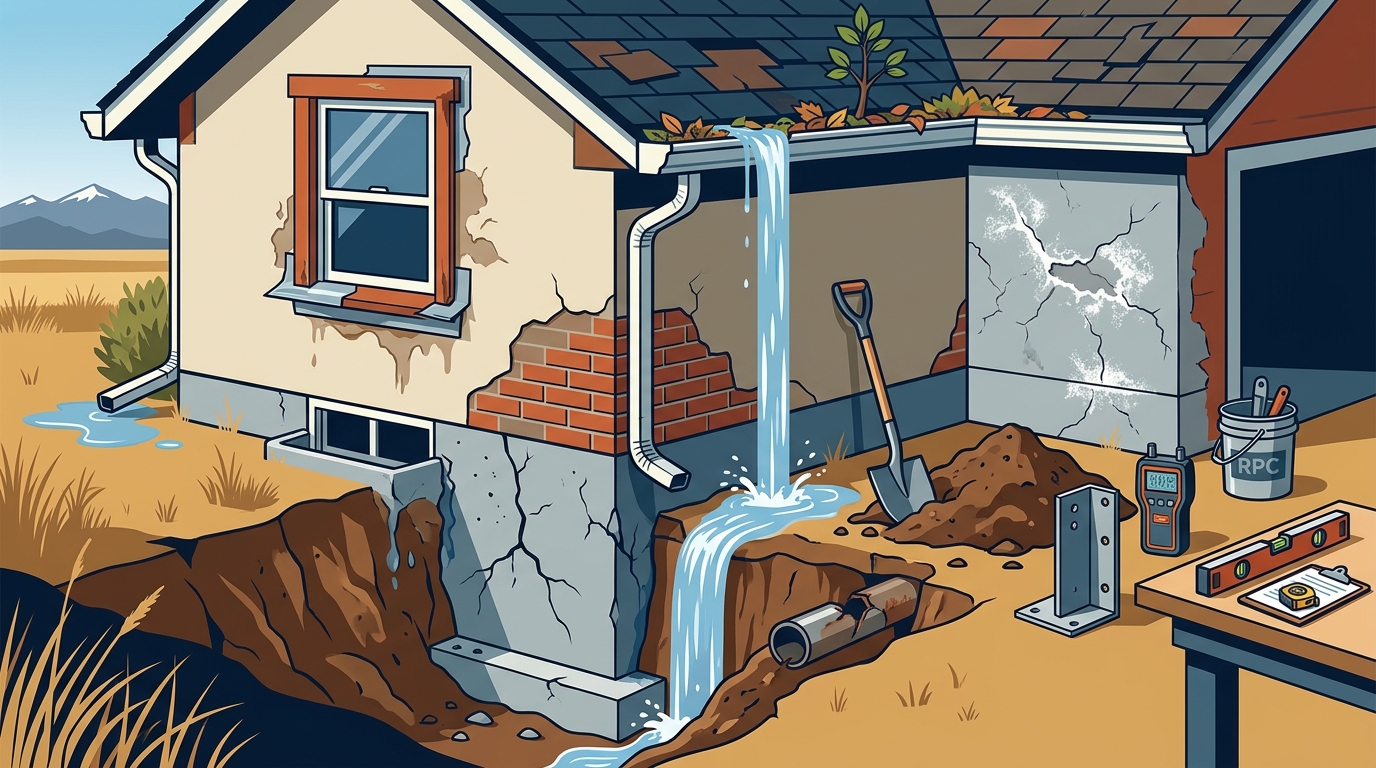
Flashing directs water away from critical junctions like roof valleys, chimneys, and wall intersections. When flashing corrodes or separates, water penetrates the sheathing and framing. A common error is using generic sealants that cannot withstand UV exposure or temperature fluctuations. Proper flashing requires metal components installed with precise overlap techniques to ensure water sheds correctly.
Gutter and Downspout Misalignment
Gutters are essential for managing snowmelt and summer storms. However, many Denver homeowners fail to extend downspouts at least six feet away from the foundation. This mistake allows water to pool around the base of the house, leading to soil saturation and potential foundation shifting. Regular cleaning and proper extension installation are non-negotiable maintenance tasks.
For detailed guidance on protecting your property, explore our exterior services designed to reinforce your home's defense against the elements.
Basement Moisture Management Errors
Basement finishing is a popular project in Denver, but it carries significant risks if moisture is not addressed first. The most common mistake is finishing a space without resolving underlying hydrostatic pressure or vapor transmission issues. This approach traps moisture within the walls, leading to mold growth and material degradation.
Insulation and Vapor Barriers
Using standard fiberglass insulation in a basement is a frequent error. Fiberglass absorbs moisture and loses its R-value when wet. Instead, homeowners should use rigid foam board or spray foam insulation that resists water absorption. A proper vapor barrier must be installed on the warm side of the insulation to prevent condensation within the wall cavity.
Egress and Safety Compliance
Building codes require egress windows in any bedroom or living space to ensure safe exit during emergencies. Many homeowners overlook this requirement, resulting in illegal living spaces that cannot be sold or insured. Proper egress windows must meet specific size and opening requirements to allow for emergency escape and rescue.
Learn more about our basement finishing process, which prioritizes moisture management and code compliance from the start.
HVAC and Insulation Oversights
Denver's altitude affects how HVAC systems perform. Many homeowners install standard equipment without accounting for the thinner air, which reduces heating and cooling efficiency. This oversight leads to oversized systems that cycle frequently, causing wear and tear and inconsistent temperatures.
Attic Ventilation
Proper attic ventilation is crucial for preventing ice dams in winter and reducing cooling loads in summer. A common mistake is blocking soffit vents with insulation or neglecting ridge vents. This blockage traps heat and moisture, leading to roof deck deterioration and increased energy bills. Balanced intake and exhaust ventilation ensure air flows freely through the attic space.
Ductwork Leaks
Leaky ductwork can waste up to 30% of conditioned air. Many homeowners fail to seal ducts properly, allowing conditioned air to escape into unconditioned spaces like attics or crawl spaces. Sealing ducts with mastic sealant or metal-backed tape improves system efficiency and indoor air quality.
Discover how our general remodeling services integrate energy-efficient upgrades to enhance your home's performance.
Permit and Code Compliance
Skipping permits is a costly mistake that can lead to fines, forced removal of work, and issues when selling the home. Denver has strict building codes designed to ensure safety and structural integrity. Homeowners must obtain permits for structural changes, electrical work, plumbing modifications, and major mechanical installations.
Inspection Requirements
Permits require inspections at various stages of the project. Failing to schedule these inspections can halt the project and result in penalties. Proper documentation ensures that all work meets current code standards, protecting the homeowner from liability and ensuring the safety of the occupants.
Our team handles all permitting and code compliance aspects of your project, ensuring a smooth and legal renovation process.
Navigating Insurance Claims
Storm damage is common in Denver, and many homeowners struggle with the insurance claims process. A frequent mistake is attempting to repair damage before an adjuster has inspected the property. This action can lead to denied claims because the original scope of damage cannot be verified.
Documentation and Scope
Proper documentation includes photos, videos, and detailed notes of the damage. Homeowners should also keep records of all communications with their insurance provider. Working with a contractor who understands insurance claims can help ensure that the scope of work is accurate and comprehensive.
Read about our specialized insurance claims assistance to understand how we help homeowners navigate this complex process.
Choosing the Right Partner
Selecting the wrong contractor is perhaps the most damaging mistake a homeowner can make. Many homeowners choose based solely on price, ignoring credentials, insurance, and past performance. This approach often leads to subpar work, project delays, and financial loss.
Vetting Contractors
Always verify that a contractor is licensed, insured, and bonded. Check references and review past projects to assess quality and professionalism. A reputable contractor will provide a detailed written estimate and timeline, ensuring transparency throughout the project.
Residential Property Contractors, LLC is committed to transparency and quality. Learn more about our company philosophy and how we prioritize our clients' needs.
Key Takeaways
- Exterior envelope integrity is critical for preventing moisture intrusion and structural damage in Denver's climate.
- Basement finishing requires specialized insulation and vapor barriers to manage hydrostatic pressure effectively.
- HVAC systems must be sized and installed to account for Denver's high-altitude conditions.
- Permits and inspections are mandatory for most renovation work to ensure safety and compliance.
- Insurance claims should be documented thoroughly before any repairs are initiated.
- Contractor selection should prioritize credentials, insurance, and proven track record over price alone.
- Regular maintenance of gutters, flashing, and ventilation systems prevents costly future repairs.
Frequently Asked Questions
What is the most common cause of basement moisture in Denver?
Hydrostatic pressure from saturated soil around the foundation is the primary cause. This pressure forces water through cracks and pores in the concrete, leading to leaks and dampness.
Do I need a permit for a bathroom remodel in Denver?
Yes, most bathroom remodels require permits for plumbing, electrical, and structural changes. Unpermitted work can result in fines and complications during home sales.
How does altitude affect HVAC efficiency?
Higher altitude reduces air density, which can decrease the heating capacity of gas furnaces and the cooling capacity of air conditioners. Systems must be properly sized and adjusted for these conditions.
What should I do if I suspect storm damage?
Document the damage with photos and videos, then contact your insurance provider and a reputable contractor for an assessment. Avoid making permanent repairs until the claim is processed.
How can I prevent ice dams on my roof?
Proper attic insulation and ventilation are key. Ensuring heat does not escape into the attic prevents snow from melting and refreezing at the eaves.
What is the difference between general remodeling and light commercial remodeling?
General remodeling focuses on residential spaces, while light commercial remodeling addresses small business environments like offices or retail spaces, often requiring different code compliance and scheduling considerations.
Why is flashing important for home maintenance?
Flashing directs water away from vulnerable joints and seams, preventing water infiltration that can cause rot, mold, and structural damage.
Protect Your Denver Home Today
Avoiding these common mistakes requires expertise, attention to detail, and a commitment to quality. Residential Property Contractors, LLC offers comprehensive construction and remodeling services tailored to the unique needs of Denver homeowners. From new home construction to insurance claim restoration, we provide the expertise you need to protect your investment. Contact us today to schedule a consultation and discuss your project needs.