

Water intrusion is one of the most frequent and costly perils facing Denver properties, yet the financial recovery process is often more damaging than the leak itself. According to recent industry data, water damage claims account for approximately 24 percent of all homeowner insurance claims annually, with the average payout exceeding $12,000 when handled correctly. However, many homeowners in the Denver metro area see their recoveries slashed or denied entirely due to procedural errors during the critical first 48 hours. Understanding the nuances of Colorado insurance law and construction restoration is essential for protecting your investment. (Contact Residential Property Contractors)
The 48-Hour Rule and Mitigation Failures
One of the most common water damage claim mistakes Denver homeowners make is delaying the initial response. Insurance policies typically contain a "duty to mitigate" clause. This legal requirement mandates that policyholders take immediate, reasonable steps to prevent further damage. If you wait days to address a burst pipe or a leaking roof, the insurer can argue that the subsequent mold or structural rot was preventable and therefore not covered. (Residential Contractors For Homes)
In Denver, rapid temperature swings can exacerbate water issues. A small leak in January can freeze, expand pipes, and cause catastrophic failure. Homeowners must call a professional mitigation team immediately. This is not the time to wait for an insurance adjuster to arrive before acting. The adjuster will inspect the damage, but they will not perform the mitigation. If you delay, you risk creating a secondary claim denial for failure to mitigate.
Residential Property Contractors, LLC emphasizes that early intervention is key to preserving your home's structural integrity. Our team coordinates directly with insurance carriers to ensure that the initial scope of work aligns with policy requirements. By managing the drying process and documenting the moisture levels, we create a defensible record that supports your claim. This proactive approach prevents the "spread" of damage that often turns a minor repair into a major reconstruction project.
Documentation Errors That Kill Claims
Documentation is the backbone of any successful insurance claim. Many homeowners make the mistake of cleaning up or discarding damaged materials before the adjuster has completed their inspection. Once a wet carpet or water-drywall is removed and thrown away, it becomes nearly impossible to prove the extent of the original loss. The adjuster may only see the aftermath, leading to a significantly lower settlement offer.
Proper documentation involves more than just taking photos. It requires a detailed inventory of all affected items, including make, model, and age. For structural elements, you need to document the source of the water. Is it clean water from a supply line? Gray water from a dishwasher? Or black water from a sewage backup? Each category has different coverage limits and health implications. According to the Insurance Information Institute, clean water damage is generally covered, while black water damage may require specific endorsements on your policy.
We advise our clients to create a digital trail. Take timestamped photos and videos of every room, every damaged item, and the source of the leak. Keep all receipts for temporary repairs, such as tarps or rental equipment. This evidence package serves as your leverage during the negotiation phase. Without it, you are relying solely on the adjuster's memory and notes, which often favor the insurance company's bottom line.
Scope of Work Disputes and Adjuster Tactics
Insurance adjusters are trained to restore your home to its pre-loss condition, not to upgrade it. This distinction is where many Denver homeowners find themselves in a financial bind. The adjuster's initial scope of work often focuses on the minimum necessary to make the property safe and habitable. They may suggest patching a section of drywall rather than replacing the entire wall, or refinish cabinets rather than replace them.
This is a common point of contention. If you accept the first scope of work, you may be left with a home that looks patched and uneven. The mistake here is failing to challenge the scope with professional expertise. A general contractor can identify hidden damage that an adjuster might miss. For example, water may have traveled behind baseboards or under flooring, causing subfloor rot that is not visible from the surface.
At Residential Property Contractors, LLC, we specialize in bridging this gap. We provide a detailed, line-item scope of work that aligns with current construction standards and material availability. We use industry-standard software to generate estimates that are comparable to the adjuster's figures. When we present our scope, we highlight the discrepancies and explain why certain repairs are necessary for long-term durability. This professional advocacy often results in a more comprehensive settlement that covers the true cost of restoration.
Material Upgrade Traps
Another frequent water damage claim mistake is attempting to upgrade materials without understanding the concept of "like kind and quality." Insurance policies typically pay the actual cash value (ACV) or replacement cost value (RCV) of the damaged item. If you choose to upgrade from standard laminate flooring to hardwood, the insurance company will only pay for the laminate. You will be responsible for the entire price difference.
Homeowners often assume that because they can afford the upgrade, they should just do it. However, this can complicate the claim process and delay payments. It is crucial to decide on your material preferences before the adjuster arrives. If you want to upgrade, you must be prepared to pay the difference out of pocket. Conversely, if you want to stay within the insurance payout, you must select materials that match the quality of the original installation.
We help our clients navigate these decisions by providing clear cost breakdowns. We can show you the price difference between standard and premium materials and help you budget accordingly. This transparency ensures that there are no surprises at the end of the project. Our goal is to deliver a finished result that looks right, functions better, and lasts, while keeping your financial exposure as low as possible.
Hiring Mistakes Before the Adjuster Arrives
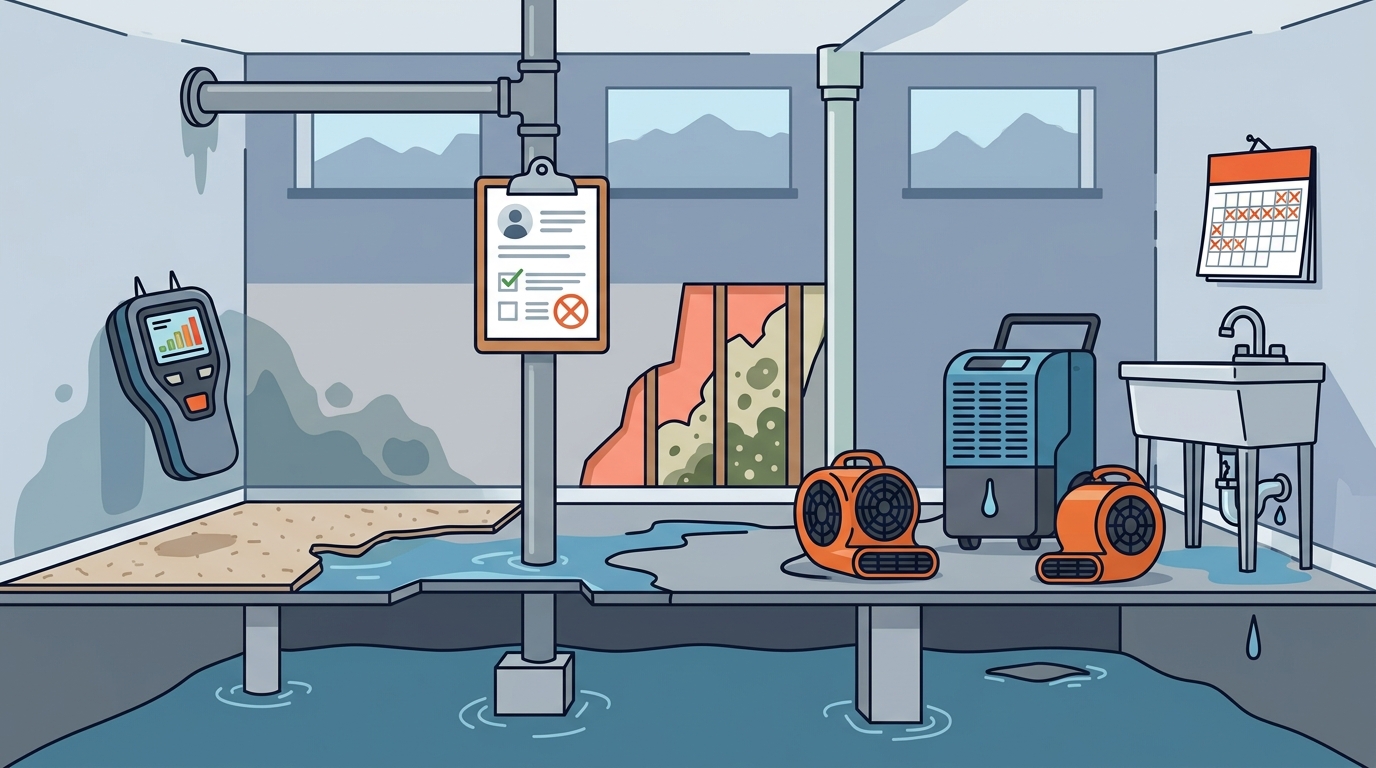
Timing is everything in the claims process. Many homeowners make the mistake of hiring a contractor to start repairs before the insurance adjuster has completed their inspection. Once a contractor begins demolition or removal, the evidence of the original damage is destroyed. The adjuster may then refuse to cover the full cost, arguing that they cannot verify the extent of the loss.
Additionally, some homeowners hire multiple contractors to get different estimates. While this can be useful for comparison, it can also confuse the adjuster if the scopes are vastly different. It is better to have one trusted professional guide you through the process. A single, well-documented scope of work is more persuasive than three conflicting estimates.
Residential Property Contractors, LLC offers free estimates and expert consultation. We recommend contacting us after the initial mitigation but before any permanent repairs begin. We can work alongside the adjuster, providing real-time insights and ensuring that the scope of work is accurate. This collaborative approach helps streamline the approval process and reduces the likelihood of disputes. We are fully licensed and insured, providing you with the peace of mind that your project is in capable hands.
Service Provider Comparison
Choosing the right partner for your water damage claim is critical. Below is a comparison of how a specialized restoration contractor differs from a general handyman or a DIY approach.
| Feature | Specialized Contractor (RPC Denver) | General Handyman | DIY Approach |
|---|---|---|---|
| Insurance Advocacy | Yes, expert scope negotiation | Limited or none | None |
| Documentation | Professional moisture mapping and photos | Basic photos | Inconsistent |
| Licensing & Insurance | Fully licensed and insured | Varies | None |
| Warranty | Comprehensive workmanship warranty | Short-term or none | None |
| Project Management | End-to-end trade coordination | Fragmented | Owner-managed |
Key Takeaways
- Act Immediately: Delaying mitigation can lead to claim denials for failure to prevent further damage.
- Document Everything: Take timestamped photos and keep receipts before removing any damaged materials.
- Challenge the Scope: Adjusters often minimize costs; professional advocacy ensures a fair settlement.
- Understand Upgrades: You are responsible for the price difference if you choose materials above the original quality.
- Hire Early: Engage a contractor before permanent repairs begin to preserve evidence and streamline the process.
- Verify Credentials: Ensure your contractor is fully licensed and insured to protect yourself from liability.
- Communicate Clearly: Maintain open lines of communication with both your contractor and your insurance adjuster.
Frequently Asked Questions
What is the first step after water damage occurs?
The first step is to stop the source of the water if it is safe to do so, and then call a professional mitigation company to begin drying and preventing mold growth. Do not wait for the insurance adjuster to arrive before starting mitigation.
Will my insurance cover mold removal?
It depends on the cause of the water damage. If the mold resulted from a covered peril and was addressed promptly, it is often covered. However, if the mold is due to long-term neglect or lack of maintenance, it may be excluded. According to the National Association of Insurance Commissioners, mold coverage varies significantly by policy.
How long does the insurance claim process take?
The timeline varies based on the complexity of the damage and the responsiveness of the insurance company. Simple claims may be resolved in a few weeks, while major reconstruction projects can take several months. Having a detailed scope of work can help expedite the approval process.
Can I hire my own contractor to negotiate with the adjuster?
Yes, you have the right to hire your own contractor. In fact, it is highly recommended. A professional contractor can provide a detailed estimate that challenges the adjuster's initial scope, often resulting in a higher and more accurate settlement.
What is the difference between ACV and RCV?
Actual Cash Value (ACV) pays the replacement cost minus depreciation. Replacement Cost Value (RCV) pays the full cost to replace the item with a similar one of like kind and quality, without depreciation. RCV is generally more beneficial for homeowners.
Do I need to move out during repairs?
If the damage is extensive and affects essential living areas, you may need to relocate. Your insurance policy may cover additional living expenses (ALE) if your home is uninhabitable. Check your policy details or consult with your adjuster for specific coverage information.
How do I choose the right contractor for water damage?
Look for a contractor who is experienced in insurance claims, fully licensed and insured, and has a strong track record of customer satisfaction. Residential Property Contractors, LLC offers free estimates and expert guidance to help you make an informed decision.
Get Your Free Estimate
Do not let water damage compromise your home or your insurance settlement. Take control of the process by partnering with a team that understands both construction and insurance advocacy. Residential Property Contractors, LLC is dedicated to delivering every project on schedule with an uncompromising focus on quality materials. Contact us today to schedule your free consultation and let our experts bring your vision to life.
Get a Quote or call us at (303) 882-7468 to start your service request.