
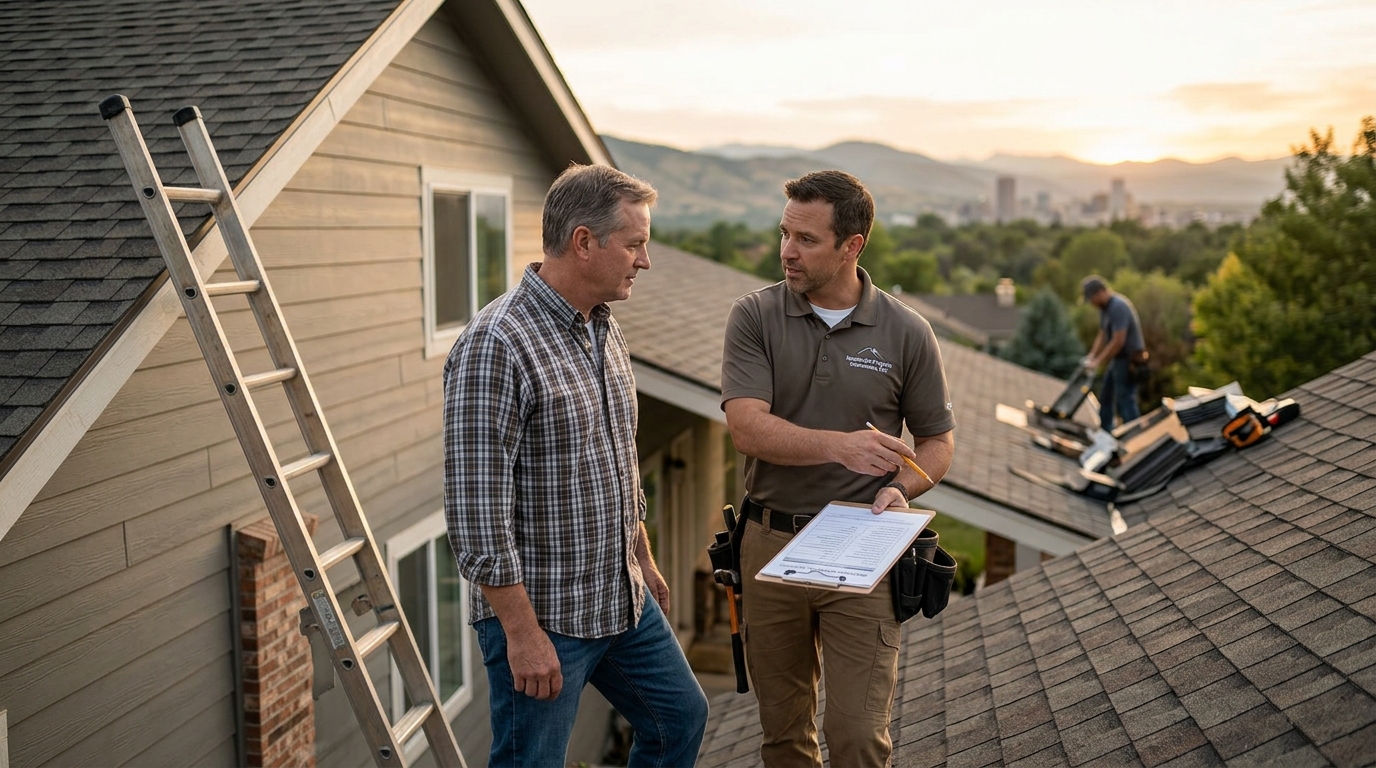
Residential Property Contractors, LLC provides exterior services in Denver that protect homes from weather damage. This guide explains how to vet local contractors and manage insurance claims for roofing and siding repairs. It covers specific criteria for evaluating trade partners and steps for documentation.
Contractor Vetting Criteria
Choosing the right professional requires looking beyond price. A qualified contractor must demonstrate technical knowledge of local building conditions. Denver homes face wide temperature swings and strong sun exposure. These factors stress exterior materials and open pathways for moisture intrusion. You need a partner who understands how to shed water and resist wind effectively.
Technical Inspection Capabilities
A reliable contractor performs a careful evaluation before proposing repairs. They look for signs of water intrusion and material movement. They also check drainage and grading influences. These factors can accelerate deterioration along the lower portions of the home. The inspection must identify underlying issues rather than just surface symptoms. This approach ensures the repair addresses the root cause of the problem.
Scope of Work and Communication
Clear communication is a hallmark of a professional team. The contractor should define a clear scope of work. This document explains what is being repaired and why it matters. It also outlines the expected outcomes. You should receive a straightforward explanation of the process. This helps you make confident decisions at every stage of the job. Transparent timelines and accurate scopes of work are essential for a smooth project.
Material Selection and Durability
Exterior materials must withstand daily wear and seasonal demands. The contractor should recommend materials that are compatible with your existing structure. They should focus on correct fastening and sealing practices. Long-term performance is more important than quick cosmetic patches. A skilled team selects products that resist UV breakdown and moisture. This ensures your home remains weather-ready year-round.
Insurance Claim Assistance
Insurance claims can feel overwhelming because the process blends urgent repairs with time-sensitive paperwork. A specialized contractor helps you move from initial damage discovery to completed restoration. They provide clear guidance and detailed documentation. This support aligns with common carrier requirements and policy language. The goal is to reduce delays and confusion for the homeowner.
Documentation and Assessment
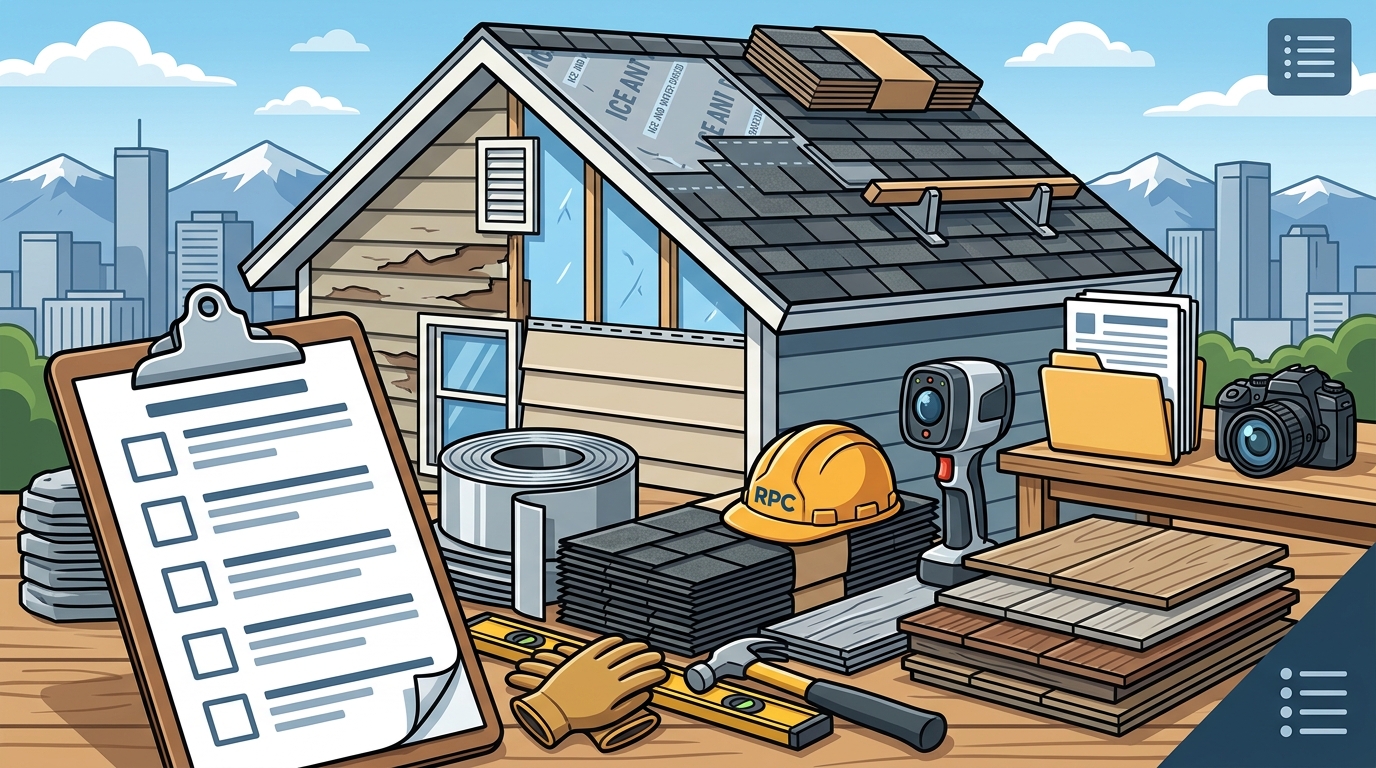
A strong claim starts with a careful inspection and a clean record of the loss. The contractor assesses visible and reasonably discoverable damage. They note conditions that can worsen over time. They also identify items that commonly get overlooked. These include underlayment, flashing, and ventilation components. The team compiles documentation that includes photos and measurements. This level of detail helps reduce back-and-forth requests with the insurance adjuster.
Scope Alignment and Supplements
Insurance estimates are only as accurate as the scope behind them. The contractor reviews claim paperwork and compares it to onsite findings. They explain differences in a straightforward way. This helps you understand where gaps may exist. When supplements are needed, the team helps assemble supporting details. This may include updated measurements and material specifications. They also document concealed damage discovered during controlled tear-out. This ensures the claim reflects the real work required.
Coordination and Communication
Throughout the process, the contractor keeps the process organized. They confirm what has been approved and what remains pending. They also identify what can proceed to prevent further damage. This coordination keeps repairs moving while maintaining accurate records. The final claim outcome should match the true restoration needs. Clear communication with the carrier is a critical part of this service.
Service Comparison
Understanding the difference between general maintenance and claim-specific work helps you choose the right partner. The table below summarizes the focus of different service types.
| Service Type | Primary Focus | Documentation Needs | Best For |
|---|---|---|---|
| Preventive Maintenance | Protecting surfaces and preventing premature failure | Basic inspection reports | Homeowners with intact roofs and siding |
| General Repair | Fixing localized damage and updating finishes | Standard estimates and invoices | Addressing wear and tear or minor leaks |
| Insurance Claim Restoration | Restoring property to pre-loss condition | Detailed photos, measurements, and repair narratives | Weather-related damage covered by insurance |
Key Takeaways
- Verify that the contractor understands local weather conditions and their impact on exterior materials.
- Request a detailed scope of work that explains the reasoning behind each repair step.
- Ensure the team can document damage thoroughly to support insurance claims.
- Look for a contractor who prioritizes long-term performance over quick cosmetic fixes.
- Confirm that the company is licensed and insured for your complete peace of mind.
- Choose a partner who communicates clearly about timelines and potential variables.
- Ask how the contractor handles supplements and concealed damage during the restoration process.
Frequently Asked Questions
What should I look for in a Denver exterior contractor?
You should look for a contractor who understands local building conditions. They must be able to identify underlying issues like water intrusion and material movement. They should also provide clear scopes of work and transparent timelines.
How does a contractor help with insurance claims?
A contractor helps by providing detailed documentation of the damage. This includes photos, measurements, and a repair narrative. They also coordinate with the insurance adjuster to ensure the scope matches the actual repair needs.
Why is documentation important for roofing and siding repairs?
Documentation is important because it supports the accuracy of insurance estimates. It helps reduce back-and-forth requests and prevents disputes over what is covered. It also ensures that concealed damage is properly accounted for.
What is the difference between general repair and claim restoration?
General repair focuses on fixing localized damage and updating finishes. Claim restoration focuses on returning the property to its pre-loss condition. Claim restoration requires more detailed documentation and coordination with insurance carriers.
How do I know if my roof damage is covered by insurance?
You should review your policy language and consult with your insurance adjuster. A contractor can help you document the damage and explain how it relates to common carrier requirements. They can also help you understand what is covered and what is not.
What materials are best for Denver exteriors?
Materials should be selected for their ability to withstand wide temperature swings and strong sun exposure. They should also be compatible with your existing structure. A skilled contractor will recommend products that resist UV breakdown and moisture.