
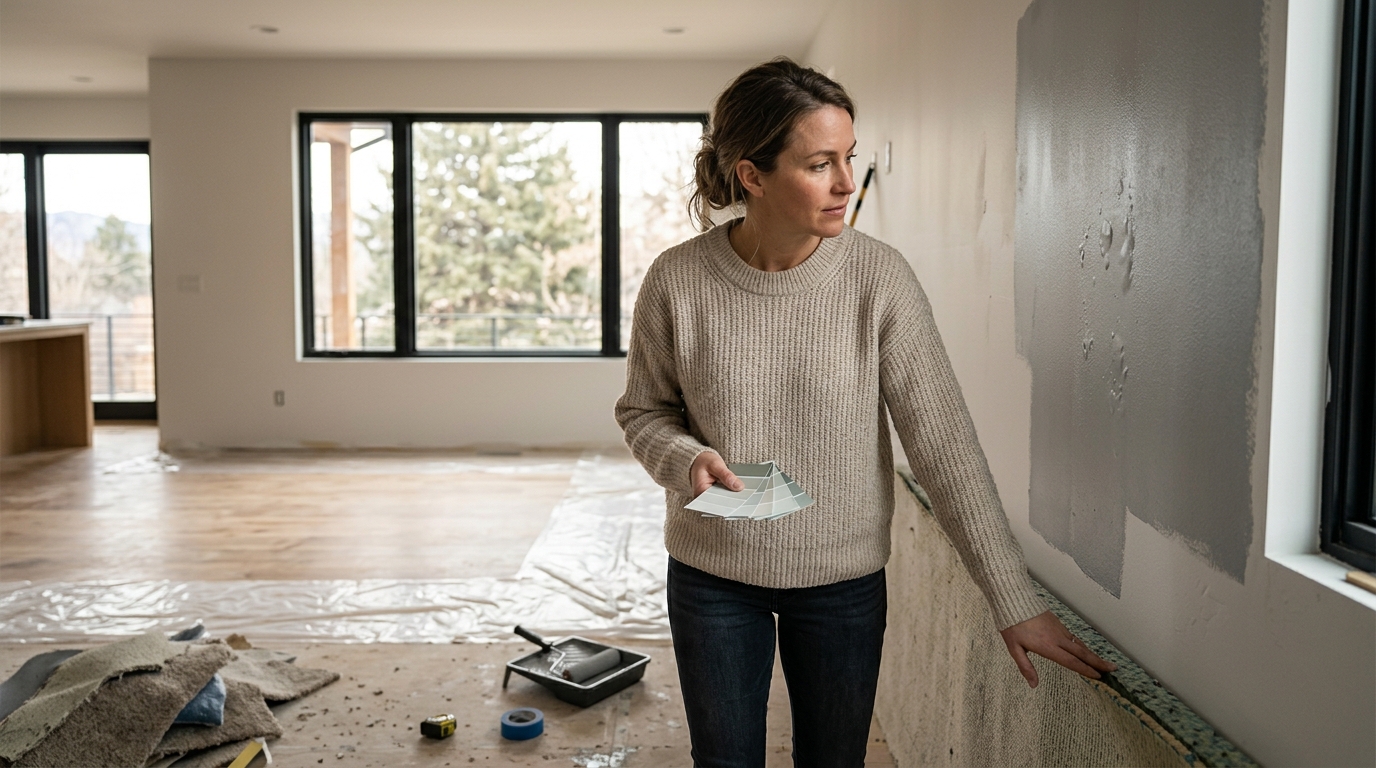
Common Interior Remodeling Mistakes Denver Homeowners Make During Painting and Carpet Projects
Denver homeowners face unique environmental challenges that directly impact interior renovation outcomes. According to the National Weather Service, the Denver metro area experiences significant seasonal humidity swings and intense UV exposure that can compromise material integrity if not properly addressed during preparation. Ignoring these local climatic factors often leads to premature peeling, warping, and costly rework. This guide outlines the most frequent errors made during painting and carpet installation, providing actionable insights to protect your investment and ensure long-term durability.
1. Ignoring Climate Control and Humidity
One of the most critical mistakes Denver homeowners make is failing to account for the local climate during interior projects. The high-altitude environment causes rapid moisture evaporation, which can lead to paint drying too quickly and failing to adhere properly. Additionally, the dry air can cause wood subfloors to shrink, creating gaps that affect carpet installation.
Proper humidity management is essential for both painting and carpeting. Homeowners should maintain a consistent indoor temperature and humidity level before, during, and after the project. This ensures that materials expand and contract predictably, preventing future issues like buckling or cracking. General remodeling projects require careful attention to these environmental variables to ensure lasting results.
2. Skipping Critical Surface Preparation
Surface preparation is the foundation of any successful interior remodel. Many homeowners attempt to save time and money by skipping steps like cleaning, sanding, or priming. This oversight leads to poor paint adhesion and uneven finishes. In Denver, where dust and pollen levels can be high, thorough cleaning is even more critical to prevent contaminants from embedding in the paint or carpet backing.
For painting, this means removing all grease, dirt, and loose paint from the walls. For carpet installation, it involves ensuring the subfloor is clean, dry, and level. Residential Property Contractors, LLC emphasizes that proper preparation is not just a step but a guarantee of quality. Skipping this phase often results in the need for costly repairs down the line.
3. Carpet Installation Subfloor Errors
Carpet installation is not just about laying down the carpet; it is about preparing the subfloor. A common mistake is installing carpet over an uneven or damaged subfloor. This can lead to premature wear, visible bumps, and a shortened lifespan for the carpet. In older Denver homes, subfloors may have settled over time, requiring leveling compounds or repairs before installation.
Another error is neglecting the moisture barrier. In basements or lower levels, moisture can seep through the concrete, causing mold and mildew under the carpet. A proper moisture test should be conducted before installation to determine the need for a vapor barrier. Basement finishing services often include these critical moisture management steps to protect the investment.
4. Choosing the Wrong Paint Finish
Selecting the wrong paint finish is a frequent error that affects both aesthetics and durability. Glossy paints, while durable, highlight every imperfection in the wall. Matte paints, while forgiving of flaws, are less durable and harder to clean. Denver homeowners often choose based on color alone, ignoring the functional aspects of the finish.
For high-traffic areas like hallways and kitchens, a satin or semi-gloss finish is recommended for its durability and ease of cleaning. For bedrooms and living rooms, an eggshell or matte finish can provide a softer look. Understanding the trade-offs between finish types is crucial for a successful outcome. Exterior services also require careful finish selection to withstand the harsh Denver weather, a principle that applies equally to interior projects.
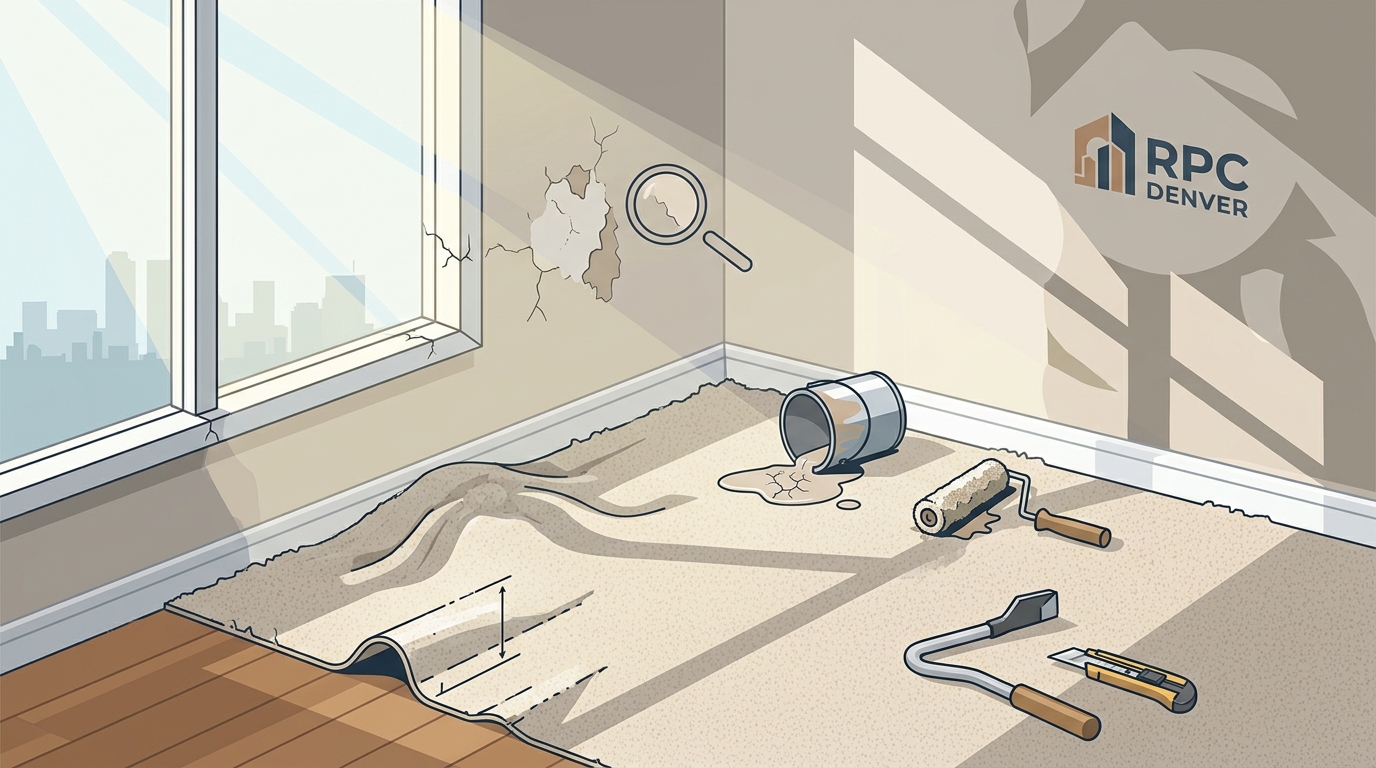
5. Poor Timeline and Logistics Planning
Renovation projects often face delays due to poor planning. Homeowners may underestimate the time required for drying, curing, and cleanup. This can lead to rushed decisions and compromised quality. Additionally, failing to plan for furniture moving and protection can result in damage to other areas of the home.
A realistic timeline should include buffer days for unexpected issues. Clear communication with contractors about the schedule and access to the home is essential. New home construction projects benefit from detailed scheduling to coordinate multiple trades, a practice that should be mirrored in smaller remodeling jobs.
Comparison of Common Mistakes vs. Solutions
| Mistake | Consequence | Solution |
|---|---|---|
| Ignoring Humidity | Paint peeling, carpet buckling | Control indoor climate before and during project |
| Skipping Prep | Poor adhesion, uneven finish | Clean, sand, and prime surfaces thoroughly |
| Uneven Subfloor | Carpet wear, visible bumps | Level and repair subfloor before installation |
| Wrong Paint Finish | Highlighting flaws or poor durability | Choose finish based on room traffic and function |
| Poor Planning | Delays, damage to other areas | Create realistic timeline and protect furniture |
Key Takeaways
- Climate Control is Critical: Maintain consistent humidity and temperature to prevent material failure.
- Preparation is Non-Negotiable: Clean, sand, and prime surfaces to ensure proper adhesion.
- Subfloor Matters: Ensure the subfloor is level and dry before carpet installation.
- Choose the Right Finish: Match paint finish to room function and traffic levels.
- Plan for Delays: Build buffer time into your timeline for unexpected issues.
- Professional Insight: Consult with licensed contractors for complex environmental challenges.
- Long-Term Value: Proper execution increases home value and reduces future repair costs.
Frequently Asked Questions
How does Denver's climate affect interior painting?
Denver's dry air and temperature fluctuations can cause paint to dry too quickly, leading to poor adhesion and peeling. Controlling indoor humidity is essential.
What is the best paint finish for high-traffic areas?
Satin or semi-gloss finishes are recommended for high-traffic areas due to their durability and ease of cleaning.
Do I need to level the subfloor before carpet installation?
Yes, an uneven subfloor can cause premature carpet wear and visible bumps. Leveling ensures a smooth and long-lasting installation.
How long should I wait before moving furniture back after painting?
It is recommended to wait at least 24 to 48 hours for paint to cure sufficiently, depending on the type of paint and humidity levels.
Can I install carpet in a basement without a moisture barrier?
No, basements are prone to moisture. A moisture barrier is essential to prevent mold and mildew growth under the carpet.
What are the signs of poor surface preparation?
Signs include paint peeling, bubbling, or uneven texture. For carpet, it may manifest as wrinkles or loose edges.
Why is professional assessment important for remodeling?
Professional assessors can identify hidden issues like moisture problems or structural defects that DIYers might miss, ensuring a durable result.
Contact an Expert
Avoiding these common mistakes requires expertise and attention to detail. Residential Property Contractors, LLC offers comprehensive interior remodeling services tailored to Denver's unique conditions. From general remodeling to basement finishing, we ensure your project is completed with precision and care. Contact us today to schedule a consultation and protect your home investment.