
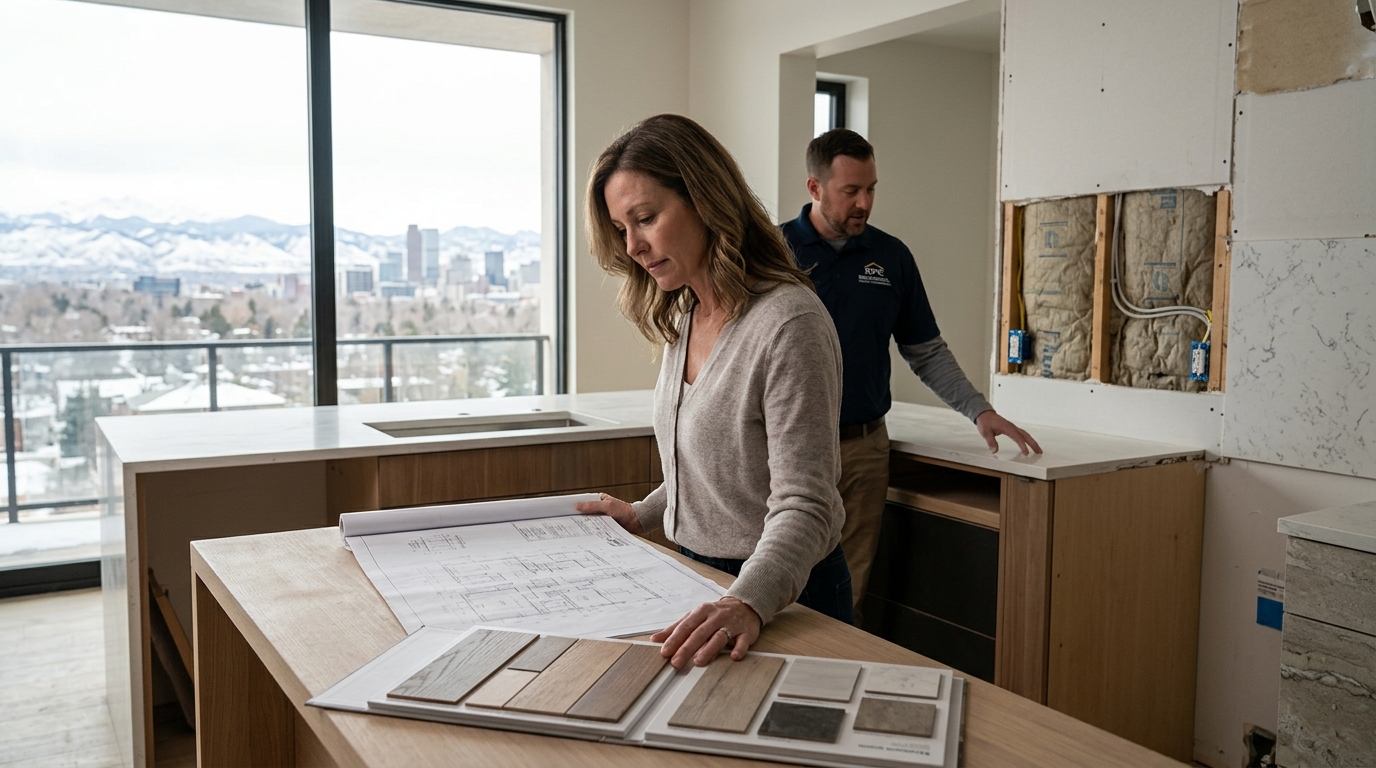
Water intrusion is one of the most destructive forces facing Denver homeowners, causing billions in property damage annually across the region. According to recent industry data, the average cost for water damage restoration in metropolitan areas ranges from $1,200 to $5,200, depending heavily on the severity of saturation and the materials affected. Understanding the true financial scope of these repairs is critical for protecting your home's value and ensuring your insurance claim is handled with precision. This guide breaks down the pricing models, coverage nuances, and strategic steps required to maximize your claim value while securing professional restoration services. (About Residential Property Contractors)
Understanding Cost Factors in Denver
The cost of water damage repair is not a flat rate. It is a dynamic calculation based on the volume of water, the duration of exposure, and the specific materials involved. In Denver, where seasonal weather shifts can rapidly impact structural integrity, accurate assessment is the first step toward financial clarity. (About Residential Property Contractors)
Category 1: Clean Water Damage
Category 1 damage involves water from a sanitary source, such as a broken supply line or a overflowing sink. This is the least expensive type to repair because the water is free of contaminants. However, speed is essential. If left untreated, Category 1 water can degrade into Category 2 or 3, drastically increasing the repair bill. (Residential Contractors For Homes)
Category 2: Grey Water Damage
Grey water contains significant chemical, biological, or physical contaminants. Sources include dishwashers, washing machines, or sump pump failures. Repairing grey water damage requires more rigorous cleaning and disinfection protocols. The pricing reflects the additional labor and specialized equipment needed to ensure the home is safe for occupancy.
Category 3: Black Water Damage
Black water is highly unsanitary and contains pathogenic agents. This category includes sewage backups, river flooding, or standing water that has sat for more than 48 hours. Restoration of black water damage is the most costly due to the mandatory removal of porous materials like drywall and carpeting. The goal here is not just drying, but complete remediation to prevent health hazards.
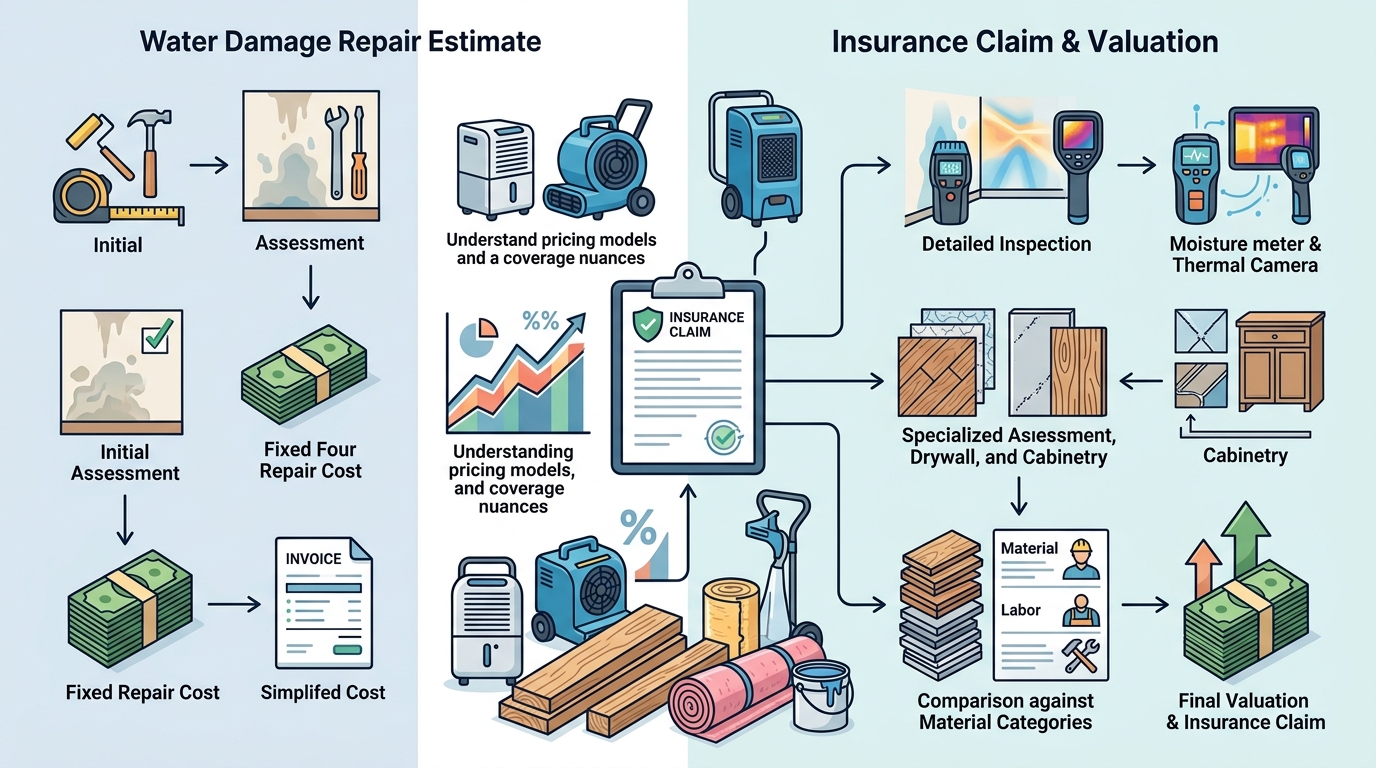
Strategies for Maximizing Insurance Value
Many homeowners underestimate the complexity of filing a water damage claim. Insurance companies aim to settle claims quickly, often underestimating the scope of hidden damage. To ensure you receive the full value of your policy, you must document everything meticulously.
Documentation is Key
Before any cleanup begins, photograph and video every angle of the damage. Capture the water lines on walls, the condition of flooring, and any damaged personal property. This visual evidence serves as the foundation of your claim. Without it, adjusters may dispute the extent of the loss, leading to lower payouts.
Understanding Your Policy Coverage
Standard homeowners insurance policies typically cover sudden and accidental water damage, such as a burst pipe. However, they often exclude damage from long-term neglect or flooding from external sources. Flood insurance, usually purchased separately through the National Flood Insurance Program, is required for external water intrusion. Knowing the distinction between these coverages is vital for accurate budgeting.
The Role of Professional Restoration
Insurance adjusters are generalists. They may not recognize the subtle signs of mold growth or structural weakening that a specialized contractor would. By hiring a licensed restoration expert early in the process, you ensure that the scope of work is comprehensive. This prevents "scope creep" later, where additional costs arise because initial repairs were incomplete.
Service Type and Pricing Breakdown
Water damage is often just the beginning. The subsequent repairs can involve multiple trades and services. Below is a summary of common services required after water damage, along with their typical pricing structures and scope.
| Service Type | Typical Scope | Pricing Model | Insurance Relevance |
|---|---|---|---|
| Water Extraction & Drying | Removal of standing water, use of industrial dehumidifiers and air movers. | Hourly or per-day rate for equipment rental plus labor. | Usually covered under standard homeowners policies. |
| Content Restoration | Cleaning and sanitizing furniture, documents, and personal items. | Per-item or inventory-based pricing. | Depends on policy limits for personal property. |
| Structural Repair | Replacing drywall, flooring, and framing damaged by saturation. | Fixed quote based on square footage and material costs. | Covered if the cause is sudden and accidental. |
| Mold Remediation | Containment, removal of contaminated materials, and air scrubbing. | Project-based fee, often requiring specialized contractors. | May require separate endorsement or flood policy. |
| Exterior Repair | Fixing siding, roofing, or gutters that allowed water intrusion. | Material and labor quote. | Often subject to higher deductibles or exclusions. |
Common Pitfalls in Damage Assessment
Even with the best intentions, homeowners can make critical errors that devalue their claims. One common mistake is attempting DIY repairs before the insurance adjuster has visited. Once you replace drywall or paint over a stain, the evidence of the original damage is gone. This can lead to a denied claim for those specific items.
Another frequent error is underestimating the time required for drying. Moisture trapped inside walls or under subfloors can take weeks to fully evaporate. If the drying process is rushed, mold will inevitably follow. Mold remediation is significantly more expensive than initial water extraction. Therefore, patience and professional monitoring are essential.
Finally, homeowners often fail to mitigate further damage. Insurance policies require you to take reasonable steps to prevent additional loss. This includes tarping a damaged roof or moving furniture out of a flooded room. Failure to do so can give the insurer grounds to deny coverage for the subsequent damage.
Key Takeaways
- Average Costs: Water damage repair in Denver typically ranges from $1,200 to $5,200, with severe cases exceeding $10,000.
- Category Matters: Clean water is cheaper to fix than grey or black water, which requires hazardous material handling.
- Documentation: Photograph all damage before any work begins to support your insurance claim.
- Policy Limits: Standard policies often exclude flood damage; check your coverage for external water intrusion.
- Professional Assessment: Licensed contractors provide detailed scopes of work that adjusters may overlook.
- Speed is Critical: Immediate action prevents Category 1 water from becoming Category 3 black water.
- Mitigation Duty: You are legally required to take steps to stop further damage, or coverage may be denied.
Frequently Asked Questions
How long does water damage restoration take in Denver?
The timeline depends on the category of water and the extent of saturation. Initial water extraction and drying typically take 3 to 5 days. Structural repairs and rebuilding can add several weeks to the process. Mold remediation may extend the timeline further if contamination is widespread.
Does homeowners insurance cover water damage from a burst pipe?
Yes, standard homeowners insurance policies generally cover water damage resulting from a sudden and accidental burst pipe. However, damage caused by lack of maintenance or freezing due to neglect may be excluded. It is important to report the claim immediately to your provider.
What is the difference between water damage and flood damage?
Water damage usually refers to water originating from inside the home, such as from plumbing failures or appliance leaks. Flood damage refers to water entering from outside the home, such as from heavy rain, snowmelt, or overflowing bodies of water. Flood damage requires a separate flood insurance policy.
Can I claim water damage if I don't have flood insurance?
If the water entered from an internal source, such as a burst pipe or leaking roof, you may still be covered under your standard homeowners policy. However, if the water came from external ground sources, you will need flood insurance. Always consult with a professional to determine the source of the water.
How do I choose a water damage restoration company?
Look for companies that are licensed, insured, and certified by the Institute of Inspection, Cleaning and Restoration Certification (IICRC). Check their reviews and ask about their experience with insurance claims. A reputable company will work directly with your insurer to streamline the process.
What is the average cost of mold remediation in Denver?
Mold remediation costs vary based on the size of the affected area. Small-scale remediation might cost between $1,500 and $3,000, while large-scale projects can exceed $20,000. Early detection and professional assessment are key to keeping these costs manageable.
Why is my insurance claim being denied?
Claims are often denied due to lack of documentation, exclusion of the water source (e.g., flood vs. pipe burst), or failure to mitigate further damage. Review your policy details and consult with a restoration expert to understand the specific reasons for denial.
Get Your Free Estimate
Water damage does not wait for you to make a decision. Every hour of delay increases the risk of mold growth and structural compromise. Residential Property Contractors, LLC offers expert assessment and restoration services tailored to Denver homeowners. We help you navigate the insurance claim process with transparency and precision, ensuring your home is restored to its pre-loss condition.
Do not risk your claim value or your home's integrity. Contact us today for a free consultation and let our experts bring your vision to life. Visit our Services page to learn more about our comprehensive restoration capabilities. For immediate assistance, call us at (303) 882-7468 or fill out the form on our Contact page.