
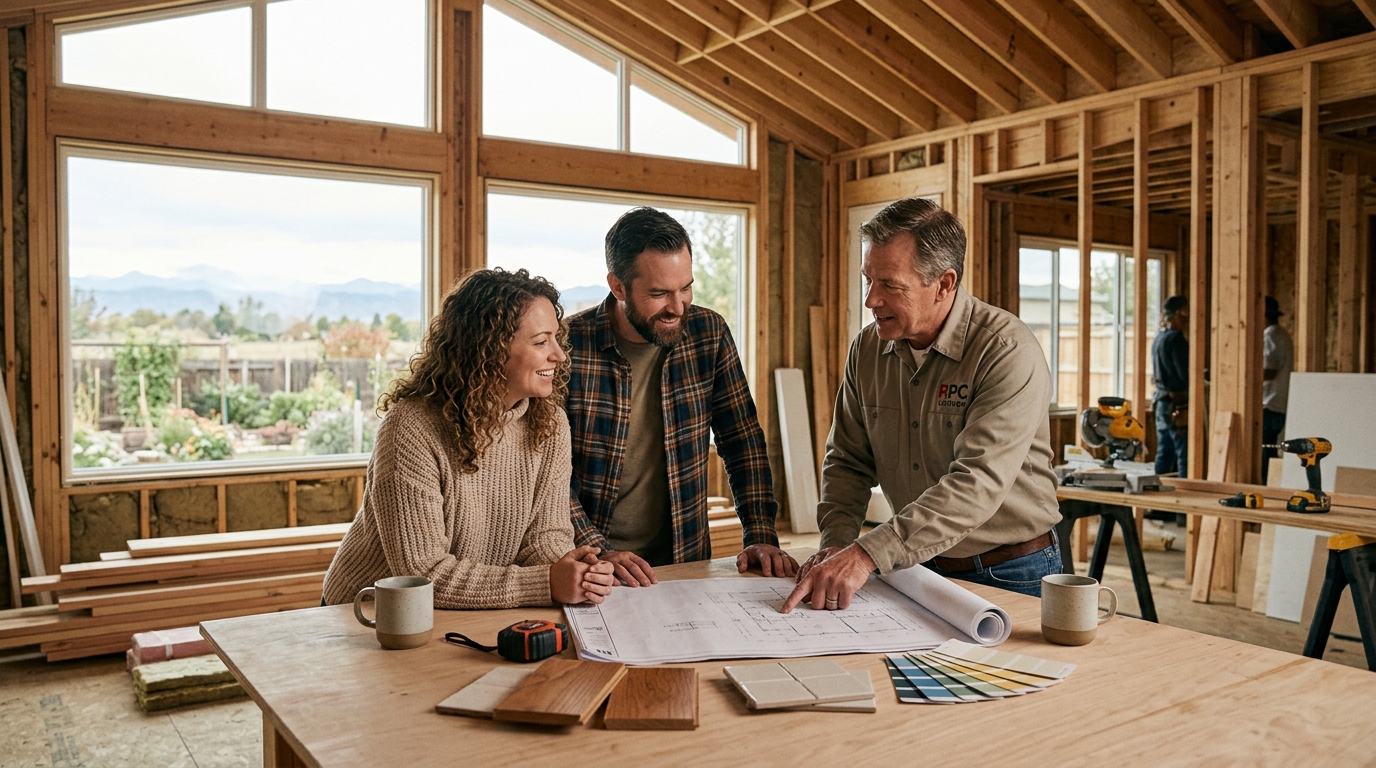
Residential Property Contractors, LLC is a full-service construction and remodeling company in Denver that helps homeowners plan, permit, and build home additions with clear scopes and transparent timelines. This guide covers how to evaluate, verify, and hire a local contractor, what to expect during the build, and how to protect your investment from start to finish.
How to Choose a Contractor
Choosing the right contractor is the single most important decision in your home addition project. A good contractor is defined by their ability to manage complex trades, maintain transparent communication, and deliver a finished product that matches the agreed-upon scope. You should look for a firm that treats project planning as a collaborative process rather than a simple transaction. This means they will walk you through the feasibility of your design before you spend a dime on construction.
Scope of Work and Communication
A reliable contractor provides a detailed scope of work that outlines exactly what is included in the price. This document should list materials, labor, and specific tasks such as framing, electrical rough-ins, and drywall finishing. If a quote is vague or lacks a line-item breakdown, it is a significant red flag. Clear communication ensures that both parties understand the timeline and the decision points required to keep the project moving.
Project Management Style
Home additions involve multiple trades working in sequence. A strong contractor coordinates these trades to prevent delays and rework. They should have a system for managing site cleanliness, safety, and daily progress updates. At Residential Property Contractors, LLC, we prioritize organized scheduling and clear scopes so that the project runs predictably and your home remains as livable as possible during the build.
What to Ask Before Committing
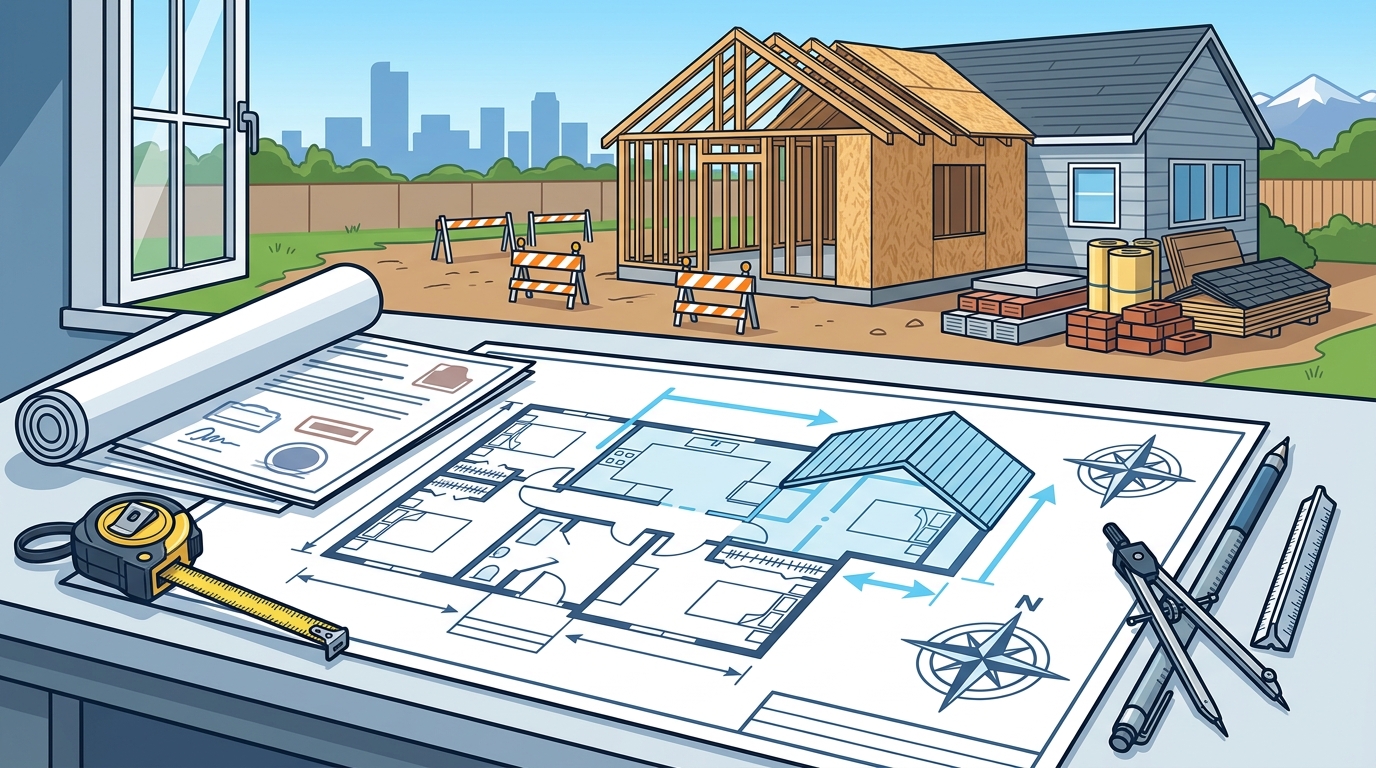
Before signing a contract, you need to ask specific questions that reveal how the contractor handles problems and changes. These questions help you gauge their experience and their commitment to your specific goals. Do not be afraid to ask for references from recent projects similar to yours.
Key Questions for Your Contractor
- How do you handle change orders and what is your process for pricing them?
- Who will be the primary point of contact on-site daily?
- What is your process for managing material lead times and delays?
- How do you ensure code compliance and manage required inspections?
- What is included in your warranty for workmanship and materials?
These questions force the contractor to be specific about their operations. A professional will have clear answers and will not hesitate to provide documentation or examples of how they have handled similar challenges in the past.
How to Verify Credentials
Verifying a contractor's credentials is a critical step in protecting your investment. In Denver, construction is regulated, and you should ensure your contractor is licensed and insured. A contractor license is a legal authorization to perform specific types of construction work within a jurisdiction. You can verify this status through local government resources to ensure the individual or company is in good standing.
Checking Licenses and Insurance
Always request a copy of the contractor's Certificate of Insurance (COI) and their license number. You can verify the license status using the basic construction rules and licensing resources provided by the City and County of Denver. This ensures the contractor is authorized to pull permits and that you are protected in the event of an accident or property damage.
How the Process Works
Understanding the construction sequence helps you manage expectations and make timely decisions. A home addition typically follows a structured path from design to final closeout. Each phase must be completed correctly before the next one begins to ensure structural integrity and code compliance.
The Construction Sequence
- Pre-Construction: Design, budgeting, and permit acquisition.
- Site Preparation: Excavation, footings, and foundation work.
- Framing: Structural skeleton, roofing, and sheathing.
- Rough-Ins: Electrical, plumbing, and HVAC installation.
- Insulation and Drywall: Creating the interior shell.
- Finishes: Flooring, paint, trim, and fixtures.
- Closeout: Final inspections, punch list, and walkthrough.
This sequence ensures that hidden systems are inspected and approved before they are covered up by drywall. Skipping steps or rushing inspections can lead to costly rework later in the project.
What It Costs
The cost of a home addition is driven by several key factors, including size, complexity, and material choices. While specific prices vary by project, understanding the cost drivers helps you build a realistic budget. You should expect to budget for both the construction costs and a contingency for unexpected issues.
Primary Cost Drivers
| Factor | Impact on Cost | Notes |
|---|---|---|
| Size and Layout | High | Complex shapes and multiple rooms increase labor and material costs. |
| Structural Work | High | Foundation and framing requirements depend on site conditions. |
| Finish Level | Medium | High-end materials like custom cabinetry or stone increase the budget. |
| Mechanical Systems | Medium | Extending HVAC and electrical to a new space adds to the cost. |
At Residential Property Contractors, LLC, we help you establish an initial budget range and identify major cost drivers early in the planning phase. This transparency helps you make informed selections that fit your financial goals without unnecessary surprises.
Common Mistakes to Avoid
Many home addition projects face challenges due to poor planning or unclear communication. Avoiding these common mistakes can save you time, money, and stress. The most frequent issues involve underestimating the scope and failing to account for hidden conditions.
Top Mistakes and How to Avoid Them
- Unclear Scope: Ensure every detail is documented in the contract to avoid disputes over what is included.
- Ignoring Permits: Always pull the required permits to ensure safety and code compliance.
- Material Lead Times: Order long-lead items early to prevent schedule delays.
- Hidden Damage: Budget for a contingency to handle issues found during demolition or framing.
By addressing these areas proactively, you can keep your project on track and maintain a positive working relationship with your contractor.
Additions Versus Alternatives
Before committing to an addition, consider if other options might better meet your needs. Alternatives include remodeling existing spaces, finishing a basement, or moving to a larger home. Each option has different cost, timeline, and disruption implications.
Comparing Your Options
| Option | Typical Cost | Disruption | Best For |
|---|---|---|---|
| Home Addition | High | High | Adding square footage and new rooms. |
| Basement Finishing | Medium | Low | Creating flexible living space below grade. |
| General Remodeling | Medium | Medium | Updating existing layouts and finishes. |
If your primary goal is to add a bedroom or office, a basement finishing project might be a more cost-effective solution. However, if you need outdoor access or a specific architectural style, an addition is the right choice.
For Specific Situations
The best approach to a home addition depends on your specific situation and goals. For example, a family needing more space for a growing household has different priorities than a homeowner looking to create a home office. Your site conditions, budget, and timeline will all influence the final design and construction method.
Tailoring the Project to Your Needs
Consider how you will use the new space daily. If it is a primary living area, prioritize natural light and high-quality finishes. If it is a utility or storage space, focus on durability and cost-efficiency. A good contractor will help you balance these factors to create a space that functions well and adds value to your home.
Rules and Protections
Construction in Denver is governed by local codes and regulations designed to ensure safety and quality. Understanding these rules helps you protect your investment and ensure your project is compliant. The City and County of Denver has specific requirements for construction sites, including noise control and pollution prevention.
Key Regulations to Know
- Permits: Most structural additions require building permits.
- Setbacks: Your addition must comply with local zoning setback requirements.
- Site Rules: Contractors must follow basic construction rules regarding hours of operation and site cleanliness.
Working with a licensed contractor ensures that these regulations are handled correctly, saving you from potential fines or the need to redo work.
Local Specifics for Denver
Denver Climate and Construction
When planning an addition, consider how it will perform in the local environment. Proper insulation, ventilation, and moisture control are critical to ensure the new space is comfortable year-round. A local contractor understands these specific challenges and can recommend materials and methods that are proven to work in the Denver area. Residential Property Contractors, LLC serves Denver and surrounding areas, bringing local expertise to every project.
Timing Your Project
Timing is a critical factor in the success of your home addition. Starting at the right time of year can help you avoid weather-related delays and ensure a smoother construction process. Spring and early summer are often ideal for starting exterior work, as the weather is more predictable.
Planning Your Timeline
Allow time for the design and permitting process before construction begins. This phase can take several weeks or months depending on the complexity of the project. By starting early, you can secure your contractor and materials, ensuring that your project stays on schedule. Discuss your desired timeline with your contractor to identify any potential bottlenecks.
Results Over Time
A well-built home addition should provide long-term value and performance. Over time, you should see a return on your investment through increased property value and improved functionality. The durability of the construction and the quality of the materials will determine how well the addition holds up over the years.
Long-Term Performance
Regular maintenance is key to preserving the value of your addition. This includes inspecting the roof, checking for moisture intrusion, and maintaining HVAC systems. By choosing a contractor who prioritizes durability and buildability, you can ensure that your addition remains a comfortable and valuable part of your home for decades to come.
Key Takeaways
- Choose a contractor with a proven track record of clear communication and organized project management.
- Verify that your contractor is licensed and insured using local government resources.
- Ask specific questions about change orders, references, and their process for handling delays.
- Understand the construction sequence and the importance of inspections at each phase.
- Budget for a contingency to handle unexpected issues and material price fluctuations.
- Consider alternatives like basement finishing if your goal is to add space without a full addition.
- Comply with local Denver construction rules and permit requirements to avoid fines.
- Time your project to start in favorable weather conditions to minimize delays.
Frequently Asked Questions
How much does a home addition cost in Denver?
The cost of a home addition in Denver varies based on size, complexity, and finish level. It is driven by structural work, materials, and mechanical systems. A detailed quote from a licensed contractor will provide a more accurate estimate for your specific project. according to Best Home Addition
Do I need a permit for a home addition in Denver?
Yes, most structural home additions require a building permit in Denver. This ensures that the work meets local safety and code requirements. Your contractor should handle the permit process as part of the pre-construction phase.
How long does it take to build a home addition?
The timeline for a home addition typically ranges from several months to over a year, depending on the size and complexity. The design and permitting phase can take several weeks, followed by the construction sequence which includes framing, rough-ins, and finishes.
What is the difference between a remodel and an addition?
A remodel involves updating or reconfiguring existing space, while an addition involves building new square footage. Additions are generally more expensive and disruptive but provide more new space. Remodels are often less costly and can improve the functionality of your current layout.
How do I verify a contractor's license in Denver?
You can verify a contractor's license by checking the status through the City and County of Denver's licensing resources. Ensure the contractor is in good standing and that their license covers the type of work you are planning.
What should be included in a construction contract?
A construction contract should include a detailed scope of work, payment schedule, timeline, and terms for change orders. It should also specify who is responsible for permits and inspections. Review the contract carefully before signing to ensure all details are clear.
Can I live in my home during the addition construction?
In many cases, you can live in your home during the construction of an addition, but it depends on the scope of the work. If the project involves significant structural changes or noise, you may need to make temporary arrangements. Discuss this with your contractor early in the planning process.
What are the benefits of hiring a local contractor?
Hiring a local contractor like Residential Property Contractors, LLC ensures that you have a team familiar with Denver's specific building codes, climate, and soil conditions. Local contractors often have established relationships with local suppliers and inspectors, which can help streamline the process.
Conclusion
Finding the right Denver contractor for your home addition requires careful research, verification, and clear communication. By following the steps outlined in this guide, you can protect your investment and ensure a successful build. Residential Property Contractors, LLC is ready to help you navigate the process with confidence. To plan your visit, to start your service request today. according to The Best Apartment