
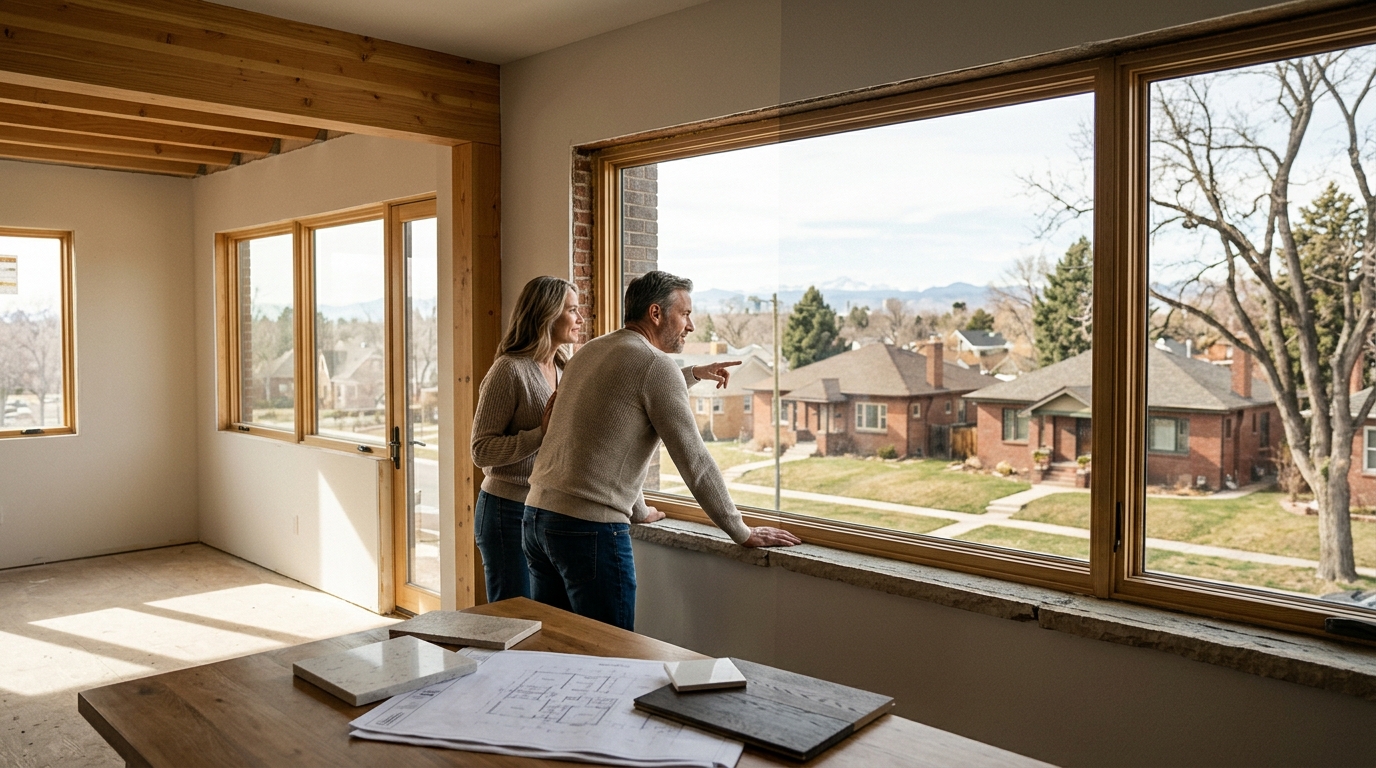
Building a new home in Denver involves navigating complex zoning laws and supply chain logistics, while remodeling an existing property offers a faster path to modernization. According to recent industry data, the average cost to build a custom home in the Denver metro area has risen significantly, often exceeding $300 per square foot depending on finishes and site conditions. This financial reality forces homeowners to weigh the long-term value of new construction against the immediate convenience of renovation. Understanding these differences is critical for protecting your investment and avoiding budget overruns. (Contact Residential Property Contractors)
Financial Overhead and Budgeting
The most immediate differentiator between building new and remodeling is the capital required to start. New home construction in Denver is a capital-intensive endeavor. You must account for land acquisition, which varies wildly by neighborhood, as well as site preparation costs like excavation and utility hookups. These initial expenses do not even include the cost of materials or labor. When you factor in the current volatility of lumber and steel prices, the baseline for a new build is inherently higher. (About Residential Property Contractors)
Remodeling, particularly general remodeling, often presents a lower entry point. However, the cost per square foot for renovations can sometimes exceed that of new construction due to the unpredictability of existing structures. Better Business Bureau data suggests that homeowners frequently underestimate hidden costs in older homes, such as asbestos abatement or outdated electrical systems. A full-service contractor helps mitigate these risks by providing accurate scopes of work before breaking ground. (About Residential Property Contractors)
Insurance claims also play a unique role in the financial equation. If your home has suffered storm damage, an insurance-funded remodel might be the only viable option. In these cases, the cost is partially offset by your policy, making restoration more financially accessible than a cash-funded new build. National Association of Realtors reports that homes with recent major renovations often see a quicker return on investment in stable markets like Denver. (Services Residential Property Contractors)
Timeline Reality: Months vs. Years
Time is a luxury that many Denver homeowners do not have. New home construction is a marathon, not a sprint. From the initial design phase to the final walkthrough, the process typically spans 12 to 18 months. This timeline includes architectural planning, engineering reviews, and the lengthy permitting process with the City and County of Denver. Delays are common due to weather conditions or supply chain disruptions, which can push completion dates further out. (Residential Contractors For Homes)
Remodeling projects, by contrast, are generally faster. A kitchen or bath remodel might take 3 to 6 months, while a whole-house renovation could extend to 9 months. The speed advantage comes from working within an existing envelope. You do not need to wait for foundation curing or framing inspections in the same way you would for a new structure. However, the timeline for remodeling is highly dependent on the condition of the existing home. Older homes often reveal surprises that require immediate scope adjustments.
Light commercial remodeling follows a different pace, often driven by business opening deadlines. For commercial clients, time is money. Every day of delay represents lost revenue. This is why efficient project management and clear milestone check-ins are vital for commercial tenant improvements. U.S. Green Building Council guidelines emphasize that sustainable building practices can streamline some approval processes, benefiting both new and renovated structures.
Design Flexibility and Structural Limits
One of the primary appeals of new home construction is the blank canvas. You have complete control over the floor plan, window placement, and structural layout. This flexibility allows for modern open-concept designs, energy-efficient insulation strategies, and smart home integration from the ground up. You are not bound by the limitations of a previous owner's choices. This is particularly important for those seeking specific accessibility features or energy codes that exceed standard requirements.
Remodeling requires a different mindset. You are working within the constraints of an existing structure. Load-bearing walls, roof lines, and foundation footprints limit what can be changed. However, this constraint can also be a creative advantage. Skilled contractors can transform outdated layouts into modern spaces by removing non-load-bearing partitions and reconfiguring rooms. Architectural Digest highlights that the best renovations respect the home's original character while introducing contemporary functionality.
Exterior services offer another layer of decision-making. New homes allow for the selection of siding, roofing, and trim materials that match your aesthetic preferences perfectly. Remodeling often involves matching existing materials or upgrading the envelope to improve energy efficiency. Proper flashing and sealed penetrations are critical in both scenarios to protect against Denver's harsh weather swings. U.S. Department of Energy states that proper insulation can reduce heating and cooling costs by up to 20 percent.
Permitting Complexity in Denver
Denver has strict building codes and zoning regulations that apply to both new construction and remodeling. New home construction requires a comprehensive set of permits, including zoning verification, building permits, and mechanical permits. The process involves multiple inspections at critical stages, such as framing and final walkthrough. Navigating these requirements can be daunting for homeowners who are not familiar with local codes.
Remodeling permits vary based on the scope of work. Minor cosmetic updates may not require permits, but structural changes, electrical work, and plumbing modifications do. Insurance claims often streamline the permitting process because the work is being done to restore the home to its pre-damage condition. However, if the remodel upgrades the home beyond its original state, additional permits and fees may apply. Denver Building Code Office provides detailed guidelines on what requires a permit and what does not.
Basement finishing is a popular remodeling project that often involves specific safety requirements, such as egress windows and moisture management. These requirements are designed to ensure the space is safe and habitable. Proper insulation strategies and ventilation are essential to prevent mold and mildew growth, which are common issues in Denver basements. EPA recommends controlling indoor humidity levels to prevent mold growth.
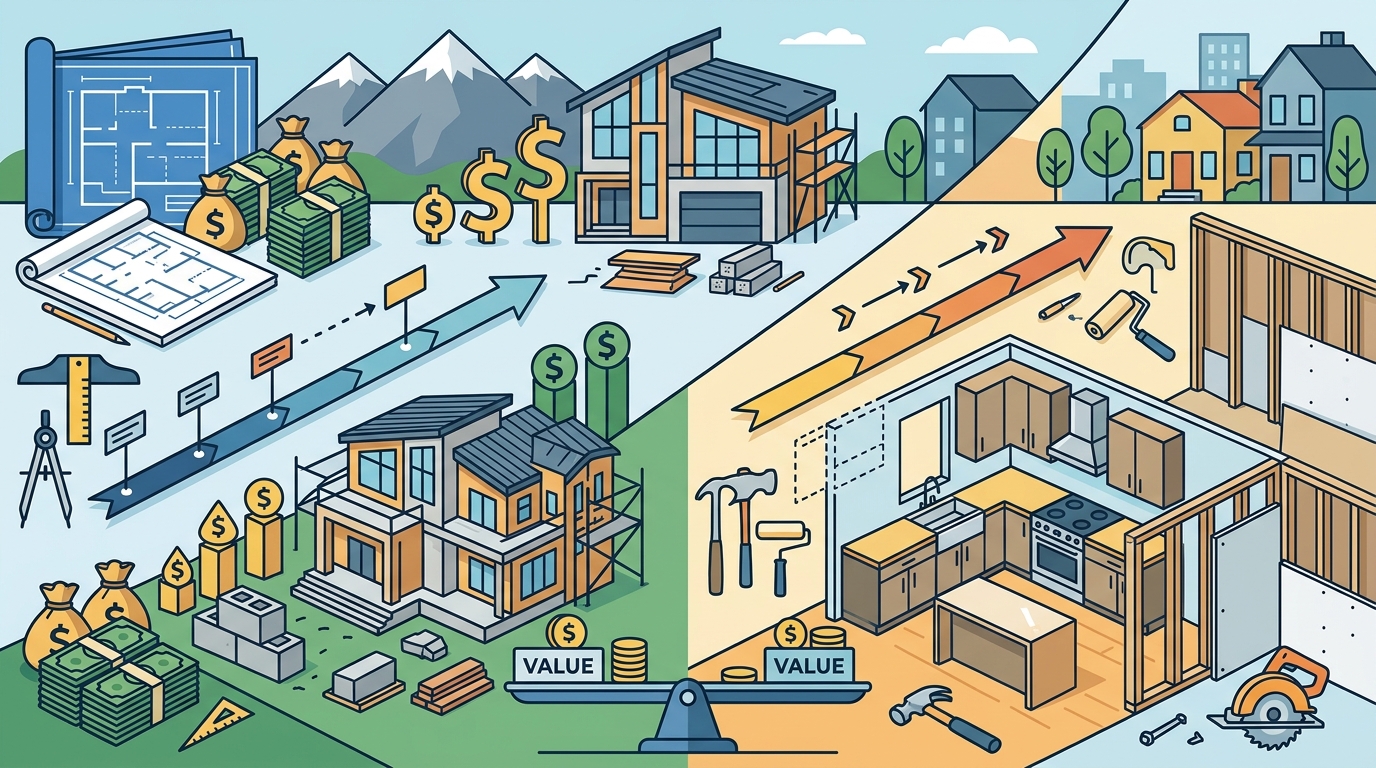
Service Comparison Matrix
The following table summarizes the key differences between new home construction and remodeling to help you make an informed decision.
| Feature | New Home Construction | General Remodeling |
|---|---|---|
| Average Timeline | 12-18 Months | 3-9 Months |
| Design Control | 100% Custom | Constrained by Existing Structure |
| Initial Cost | High (Land + Build) | Moderate to High |
| Permitting | Complex, Multi-Stage | Variable by Scope |
| Best For | Unique Needs, Energy Efficiency | Modernization, Location Preference |
Key Takeaways
- New home construction offers complete design freedom but requires a longer timeline and higher initial investment.
- Remodeling allows for faster occupancy and works within existing neighborhoods, but structural limits apply.
- Denver building codes are strict for both new builds and renovations, requiring professional navigation.
- Insurance claims can make remodeling more financially viable for storm-damaged properties.
- Exterior services are critical for both new and existing homes to protect against moisture and temperature swings.
- Basement finishing adds significant value but requires careful attention to moisture and egress safety.
- Residential Property Contractors, LLC provides end-to-end management for both construction and remodeling projects.
Frequently Asked Questions
Is it cheaper to build a new home or remodel in Denver?
Building a new home is generally more expensive due to land costs and site preparation. However, remodeling costs can escalate quickly if hidden issues are found in older homes. A detailed estimate from a licensed contractor is essential for accurate budgeting.
How long does a kitchen remodel take in Denver?
A typical kitchen remodel takes between 3 to 6 months. This timeline includes demolition, rough-in work, inspections, and final finishes. Delays can occur due to material availability or permit scheduling.
Do I need a permit for basement finishing?
Yes, basement finishing usually requires permits for electrical, plumbing, and mechanical work. It also must meet specific egress and safety codes to ensure the space is habitable.
What is the difference between general remodeling and light commercial remodeling?
General remodeling focuses on residential properties, such as homes and apartments. Light commercial remodeling targets business spaces, such as offices and retail stores, often with tighter deadlines and different code requirements.
Can insurance cover the cost of a remodel?
Insurance can cover repairs needed to restore your home to its pre-damage condition. If the remodel upgrades the home beyond its original state, you may need to pay the difference out of pocket.
How do I choose between new construction and remodeling?
Consider your budget, timeline, and design needs. If you have a specific lot and want a custom home, new construction is ideal. If you love your neighborhood and want to modernize your home, remodeling is a better option.
What exterior services are recommended for Denver homes?
Proper siding, roofing, and gutter installation are critical for protecting against Denver's weather. Regular maintenance and timely repairs can extend the life of your home's envelope.
Start Your Project
Whether you are planning a new build or a major renovation, Residential Property Contractors, LLC is here to guide you through every step. We provide transparent timelines, accurate scopes of work, and expert trade coordination to ensure your project is completed on time and within budget. Contact us today to schedule a free consultation and discuss your vision.
Get a Free Estimate