
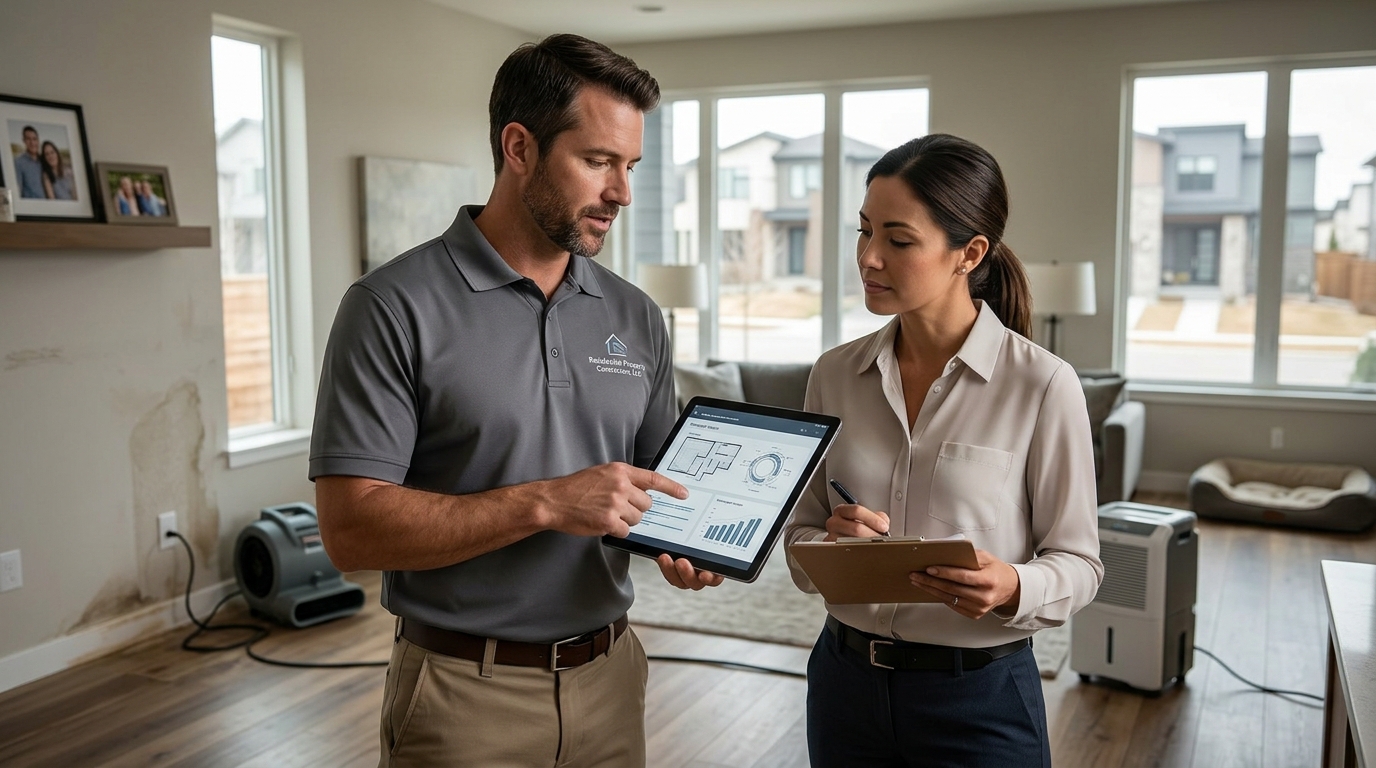
Water damage in Denver properties often requires immediate intervention to prevent structural decay and mold proliferation. According to the Federal Emergency Management Agency, water intrusion is one of the most common causes of property damage in the United States, affecting millions of homes annually. The speed and accuracy of the restoration process depend heavily on how well the contractor communicates with insurance adjusters. Residential Property Contractors, LLC specializes in bridging this gap by providing detailed documentation and scope of work that aligns with insurance claim requirements. This guide compares how top-tier Denver contractors handle this critical phase of restoration. (About Residential Property Contractors)
Why Adjuster Collaboration Matters
Insurance claims for water damage are complex. They involve technical assessments of structural integrity, material replacement costs, and labor hours. A contractor who understands insurance protocols can streamline the approval process. Poor communication often leads to denied claims or reduced payouts. This forces homeowners to pay out of pocket for necessary repairs. Insurance Claims services must be handled with precision to ensure coverage.
Residential Property Contractors, LLC operates with a clear focus on transparency. We provide written documentation that outlines every step of the repair process. This approach helps adjusters understand the necessity of each repair. It reduces the likelihood of disputes during the claim review. Homeowners benefit from a smoother path to restoration. The goal is to restore the property to its pre-loss condition efficiently.
Scope of Work Accuracy
The scope of work is the blueprint for any restoration project. It details the materials, methods, and labor required. Inaccurate scopes lead to change orders and budget overruns. A common issue in the industry is underestimating hidden damage. Water often travels beyond the visible area. It can damage subfloors, wall cavities, and insulation. Contractors must identify these hidden issues early.
Our team uses advanced moisture detection tools to map the extent of water intrusion. This data forms the basis of our scope of work. We coordinate with adjusters to verify these findings. This collaboration ensures that the insurance company approves the full cost of repairs. It prevents gaps in coverage that could delay the project. Accurate scoping protects the homeowner from unexpected costs.
Documentation Standards
Documentation is the language of insurance claims. It includes photos, moisture readings, and detailed notes. High-quality documentation supports the validity of the claim. It provides evidence for the adjuster to justify the payout. Low-quality documentation often results in questions and delays. Contractors must maintain rigorous standards for record-keeping.
We document every stage of the restoration process. This includes initial damage assessment, drying progress, and final repair. Each photo is timestamped and labeled with relevant data. This level of detail helps adjusters make informed decisions quickly. It also provides a clear record for the homeowner. Transparency builds trust between all parties involved. General Remodeling projects require similar attention to detail.
Timeline Management
Time is critical in water damage restoration. Delays can lead to mold growth and further structural damage. Contractors must manage timelines effectively to minimize disruption. This involves coordinating with multiple trades and suppliers. It also requires keeping the insurance company informed of progress.
We prioritize projects based on urgency and severity. Our team works efficiently to complete drying and repairs. We provide regular updates to the homeowner and the adjuster. This keeps everyone aligned on the project schedule. It also allows for quick adjustments if issues arise. Efficient timeline management reduces the overall cost of the claim. It also helps homeowners return to their normal routines faster.
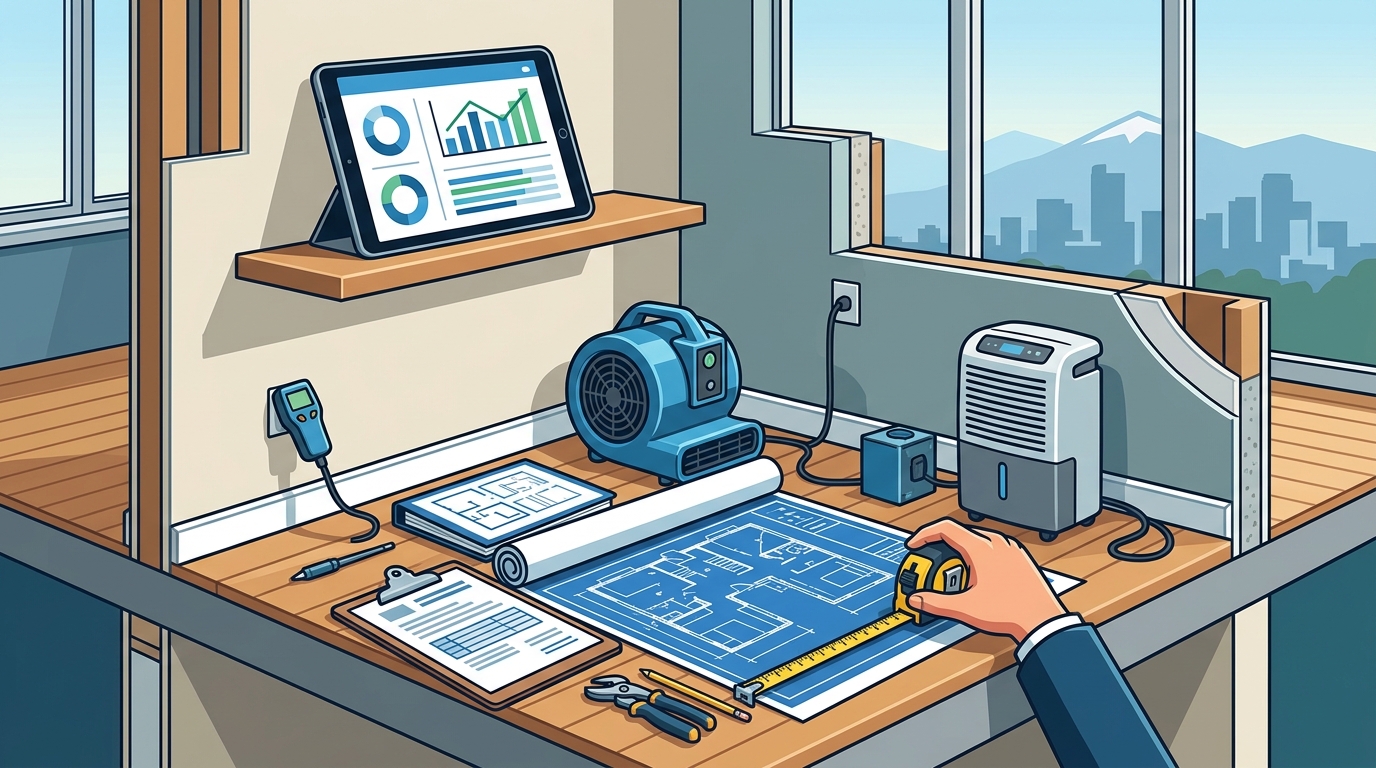
Service Comparison Matrix
Not all contractors approach insurance claims the same way. Some focus solely on repair, while others integrate claim management into their workflow. The table below compares key aspects of contractor services in Denver.
| Service Aspect | Standard Contractor | Residential Property Contractors, LLC |
|---|---|---|
| Adjuster Communication | Reactive, limited updates | Proactive, detailed scope sharing |
| Documentation Quality | Basic photos and notes | Comprehensive moisture mapping and logs |
| Scope Accuracy | Estimates based on visible damage | Thorough inspection for hidden damage |
| Claim Support | Minimal assistance | Full assistance with paperwork |
| Warranty | Standard workmanship warranty | Extended warranty on repairs |
Choosing a contractor with strong adjuster collaboration skills can save time and money. It ensures that the insurance claim is processed correctly. It also reduces the stress for the homeowner. New Home Construction also benefits from similar rigorous planning and documentation.
Key Takeaways
- Effective adjuster collaboration reduces claim denial rates and speeds up approvals.
- Accurate scopes of work prevent budget overruns and change order disputes.
- High-quality documentation provides essential evidence for insurance adjusters.
- Timely communication keeps all parties aligned on project progress.
- Residential Property Contractors, LLC offers A+ accreditation and licensed expertise.
- Hidden damage often requires advanced detection tools to identify.
- Clear communication builds trust between homeowners, contractors, and insurers.
Frequently Asked Questions
How do contractors communicate with insurance adjusters?
Contractors communicate with adjusters through detailed scopes of work, photos, and moisture readings. They often attend on-site meetings to discuss findings and agree on the repair plan. This direct communication helps resolve discrepancies quickly.
What is the role of a scope of work in a claim?
A scope of work outlines the specific repairs needed, including materials and labor. It serves as the basis for the insurance company to determine the claim payout. An accurate scope ensures that all necessary repairs are covered.
Can a contractor help with insurance paperwork?
Yes, many contractors assist with insurance paperwork. They provide the necessary documentation and forms required by the insurance company. This support helps streamline the claim process for the homeowner.
Why is hidden damage a concern in water claims?
Hidden damage can lead to mold growth and structural issues if not addressed. It often requires specialized equipment to detect. Failing to identify hidden damage can result in incomplete repairs and further costs.
How long does the insurance claim process take?
The timeline varies based on the complexity of the damage and the insurance company's workload. However, effective contractor collaboration can expedite the approval process. Homeowners should expect regular updates throughout the process.
What makes Residential Property Contractors different?
We focus on transparent communication and detailed documentation. Our team is licensed and insured, ensuring compliance with industry standards. We prioritize the homeowner's needs and work closely with adjusters to ensure a smooth process.
Do you offer free estimates?
Yes, we provide free estimates for all projects. This allows homeowners to understand the scope and cost before committing. Our estimates are detailed and accurate to avoid surprises.
Contact Us
If you are dealing with water damage in Denver, Kansas City, or Bozeman, contact Residential Property Contractors, LLC. We offer expert service you can trust. Our team is ready to help you navigate the insurance claim process. Contact us today to schedule a consultation. We are here to help you build, repair, and remodel with confidence.