
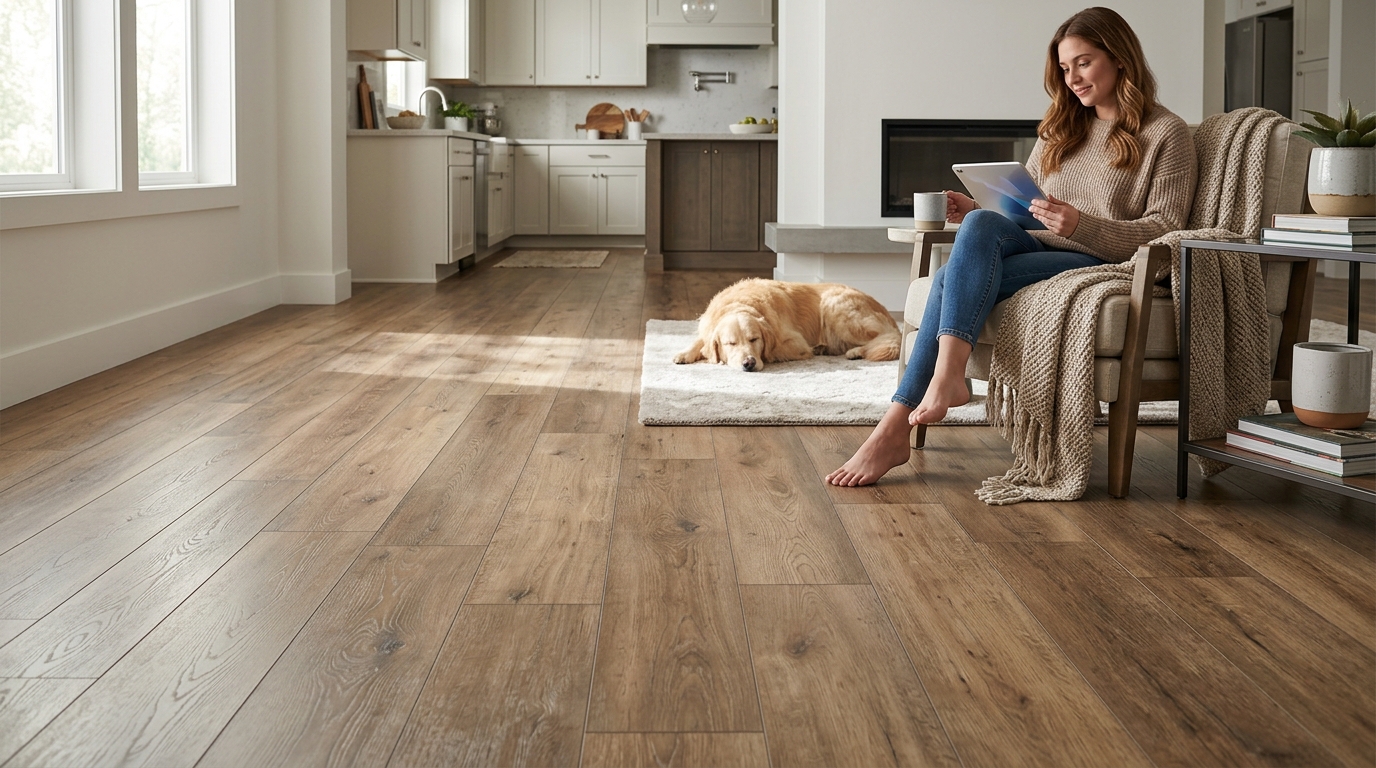
Homeowners in the Denver metro area are increasingly choosing luxury vinyl plank (LVP) for its durability and aesthetic versatility. According to recent industry reports, LVP has become the fastest-growing flooring category in residential renovations, with market growth driven by its water-resistant properties and realistic wood-look finishes. This surge in popularity reflects a broader shift toward low-maintenance, high-performance materials that withstand the unique climate challenges of the Front Range.
What Is LVP Flooring?
Luxury vinyl plank is a multi-layered synthetic flooring product designed to mimic natural materials like hardwood or stone. LVP is a durable, water-resistant flooring solution composed of multiple layers, including a wear layer, a printed design layer, and a core layer. The core layer is typically made of rigid materials such as stone-plastic composite (SPC) or wood-plastic composite (WPC), which provide stability and resistance to temperature fluctuations.
Unlike traditional vinyl, which can be thin and prone to tearing, LVP offers a thicker profile that feels more substantial underfoot. The top wear layer protects against scratches, dents, and stains, making it ideal for high-traffic areas. This construction allows homeowners to achieve the warmth of wood without the vulnerability to moisture and humidity.
Why LVP Fits Denver Homes
Denver’s semi-arid climate presents specific challenges for flooring, including low humidity levels and significant temperature swings between seasons. These conditions can cause natural wood to expand, contract, or warp over time. LVP flooring is engineered to remain stable in these environments, maintaining its shape and integrity year-round.
According to environmental data, Denver experiences distinct seasonal shifts that stress traditional building materials. LVP’s resistance to moisture makes it particularly suitable for basements and lower levels, where humidity can accumulate. Additionally, its durability ensures that it withstands the wear and tear associated with active households and outdoor lifestyles common in the Rocky Mountain region.
When considering general remodeling projects, homeowners often prioritize materials that offer long-term value. LVP provides a cost-effective alternative to hardwood while delivering a comparable aesthetic. Its ease of maintenance further enhances its appeal, as it requires only regular sweeping and occasional mopping to keep it looking new.
The Installation Process
Professional installation is critical to ensuring the longevity and performance of LVP flooring. The process begins with a thorough assessment of the subfloor to ensure it is clean, level, and dry. Any imperfections in the subfloor can telegraph through the LVP, affecting both the appearance and the structural integrity of the floor.
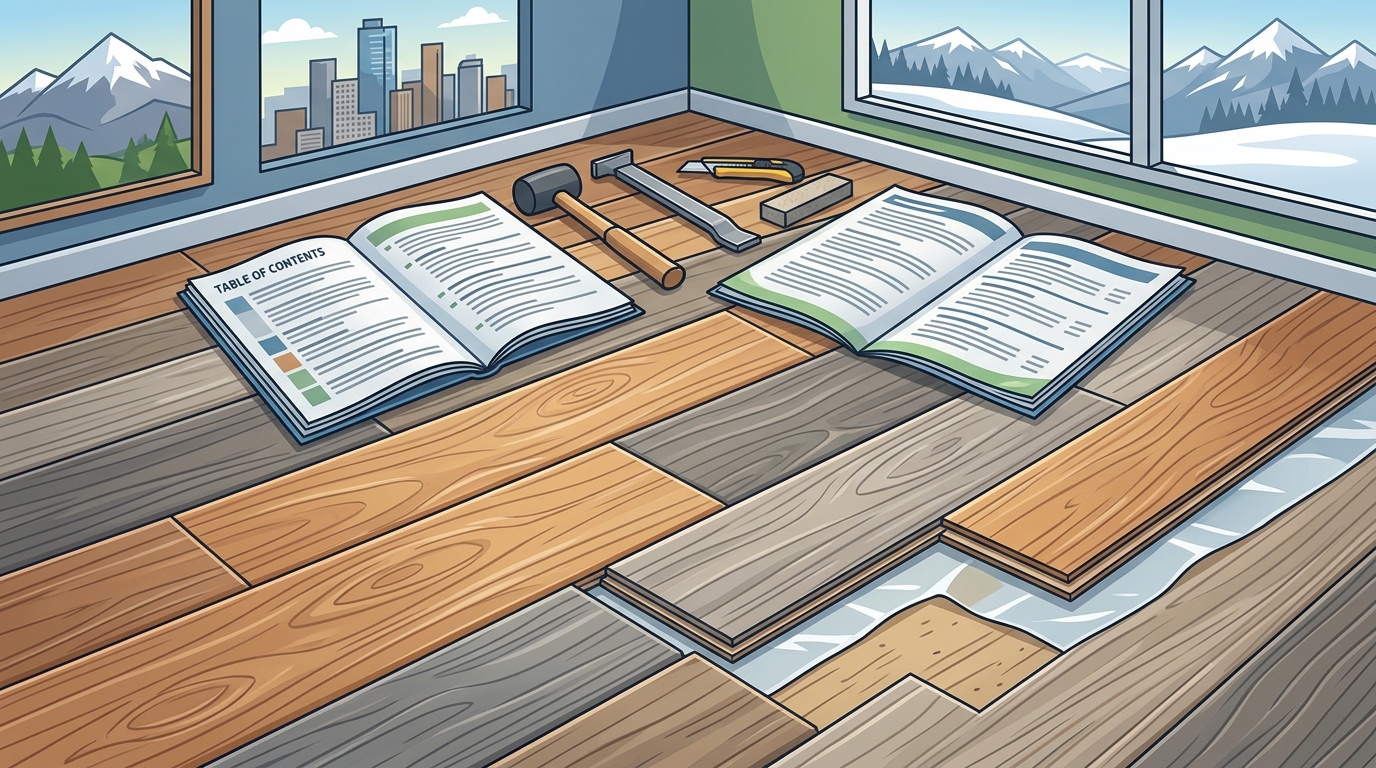
Once the subfloor is prepared, the LVP planks are installed using a floating method, where the planks are clicked together without being glued or nailed to the subfloor. This method allows the floor to expand and contract naturally with temperature changes. New home construction projects often integrate LVP during the finishing phase to ensure a seamless transition from rough-in to final walkthrough.
Our team at Residential Property Contractors, LLC manages every detail of the installation, from material selection to final cleanup. We prioritize precision in cutting and fitting to ensure a tight seal between planks, preventing moisture infiltration and enhancing the overall durability of the floor. Our licensed and insured professionals adhere to industry best practices to deliver a flawless result.
Service Comparison
Choosing the right service provider for your flooring project involves understanding the scope of work and the expertise required. Below is a comparison of our core services to help you determine the best fit for your needs.
| Service | Best For | Key Benefit |
|---|---|---|
| General Remodeling | Kitchen and bath updates | Comprehensive scope management |
| New Home Construction | Building from the ground up | Integrated material selection |
| Exterior Services | Curb appeal and protection | Enhanced durability and aesthetics |
| Basement Finishing | Below-grade living spaces | Moisture-resistant solutions |
Key Takeaways
- LVP is a multi-layered synthetic flooring product designed to mimic natural materials like hardwood or stone.
- Denver’s semi-arid climate makes LVP an ideal choice due to its stability and resistance to temperature fluctuations.
- Professional installation ensures proper subfloor preparation and floating method application for long-term durability.
- Residential Property Contractors, LLC offers end-to-end services from initial scope to final walkthrough.
- LVP is particularly suitable for basements and lower levels due to its moisture-resistant properties.
- Our team is licensed and insured, providing peace of mind for all residential projects.
- Regular maintenance of LVP involves only sweeping and occasional mopping, reducing long-term upkeep costs.
Frequently Asked Questions
Is LVP flooring suitable for Denver’s climate?
Yes, LVP is highly suitable for Denver’s climate because it is engineered to resist expansion and contraction caused by temperature swings and low humidity levels.
How long does LVP flooring last?
With proper installation and maintenance, LVP flooring can last 10 to 20 years or more, depending on the thickness of the wear layer and the level of foot traffic.
Can I install LVP over my existing floor?
In many cases, yes. LVP can be installed over existing hard surfaces like tile or wood, provided the subfloor is level and clean. Our team will assess your specific situation during the consultation.
Is LVP waterproof?
LVP is water-resistant, meaning it can withstand spills and moisture without damage. However, it is not entirely waterproof, so prolonged exposure to standing water should be avoided.
What is the difference between SPC and WPC LVP?
SPC (Stone-Plastic Composite) cores are denser and more rigid, offering superior stability. WPC (Wood-Plastic Composite) cores are slightly softer and provide more cushioning underfoot. Both are excellent choices for Denver homes.
How do I clean LVP flooring?
Clean LVP by sweeping or vacuuming regularly and mopping with a damp mop and pH-neutral cleaner. Avoid abrasive tools or harsh chemicals that can damage the wear layer.
Does LVP reduce noise?
LVP can reduce noise compared to hard surfaces like tile, especially when installed with a quality underlayment. This makes it a comfortable choice for living areas and bedrooms.
Contact Us
Ready to transform your home with durable and stylish LVP flooring? Contact Residential Property Contractors, LLC today to schedule a free consultation. Our team is here to help you plan, budget, and build with confidence. Call us at (303) 882-7468 or visit our contact page to get started.